Shadowing practice: Harry Potter — Harry Meets Dobby
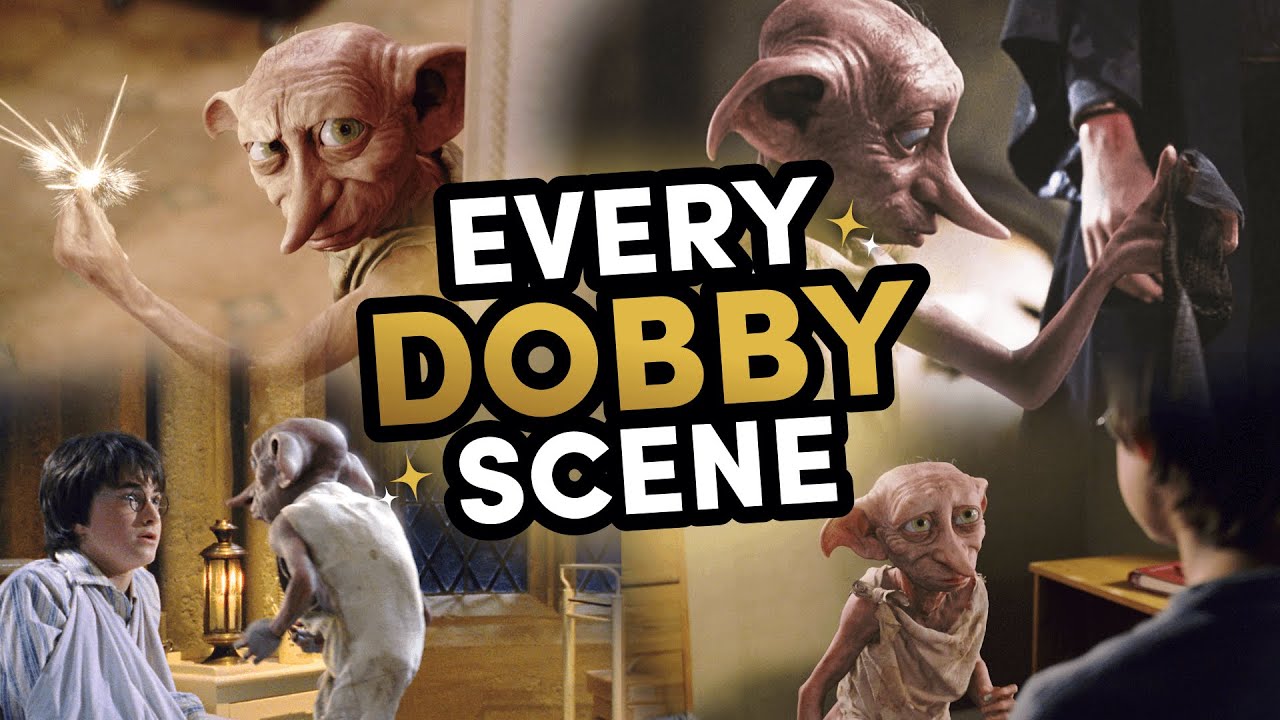 Listen to the line, then say it out loud
Full transcript
- Who are you?0:16
- Dobby, sir. Dobby the house-elf.0:17
- I don't mean to be rude or anything, but this isn't a great time to have a house-elf in my bedroom.0:21
- Dobby has come to tell you… it is difficult, sir. Dobby wonders where to begin.0:31
- Why don't you sit down?0:38
- S-sit down?0:40
- I'm sorry, I didn't mean to offend you.0:48
- Offend Dobby? Dobby has heard of your greatness, sir, but never has he been asked to sit down by a wizard, like an equal.0:52
- You can't have met many decent wizards then.1:03
- No, I haven't.1:06
English speaking practice with a British B1 scene: Harry meets Dobby
This clip gives you real english speaking practice inside a short story scene: Harry Potter finds the house elf Dobby standing uninvited in his bedroom, and the two work out, line by line, why Dobby is there. At 152 words per minute and marked B1, it moves at a pace you can follow without slowing the video down, and every line is short enough to repeat whole. The accent throughout is British, so if you are building a british english pronunciation practice habit, this is a clean example: one voice at a time, no crosstalk, no background music to fight.
The scene is built almost entirely from questions and short, broken answers, which makes it useful beyond the plot: it shows how a speaker hesitates, restarts and stresses a single word for emphasis. Ten lines is short enough to run start to finish in one sitting, then loop the two or three lines that gave you trouble. If you want a taste of how to learn english with movies without committing to a whole feature, a ten line scene like this one is the right size to start with.
Shadow this line: the language in Dobby's speech
Before you shadow this line, or any of the ten in this scene, notice how oddly Dobby talks about himself, and how that shapes the rhythm of every sentence he says.
- "Dobby, sir. Dobby the house-elf." Dobby names himself twice instead of saying "I", and there is no contraction anywhere in the line, so the delivery stays flat and formal rather than casual.
- "Dobby has come to tell you… it is difficult, sir. Dobby wonders where to begin." The pause after "you" is real hesitation, not a script beat: let the voice trail off before it restarts on "it is difficult".
- "S-sit down?" A one word question with a stammer built into the spelling and a clear rise in pitch on "down", worth repeating exactly as written before you smooth it out.
- "but never has he been asked to sit down by a wizard, like an equal." flips the normal word order for emphasis. Say it exactly as written, do not reorder it to sound more natural, that inversion is what makes Dobby sound so formal.
How to work through this daily english conversation practice scene
This is a two person exchange, so treat it as daily english conversation practice: work Harry's short questions and Dobby's longer, broken replies as two separate jobs, in this order.
- Start with line 1, "Who are you?" Repeat the rising question intonation five times before you move on, it is the shortest line and sets the pattern for the scene.
- Take line 2, "Dobby, sir. Dobby the house-elf." Practise the flat, third person delivery, there are no contractions here to trip on.
- Move to line 4, "Dobby has come to tell you… it is difficult, sir. Dobby wonders where to begin." Do not rush the pause, let the trail off happen the way it does in the clip.
- Repeat line 6, "S-sit down?" as written, stammer and all, then say it smoothly once and compare the two versions.
- Finish on line 8, the longest in the scene. Split "but never has he been asked to sit down by a wizard, like an equal." into two chunks, practise each alone, then rebuild the full line at the clip's own pace.
- Once all five hold together, play the whole ten line scene once more end to end. That full run is what turns isolated lines into shadowing english speaking practice b1 you can actually use in conversation.