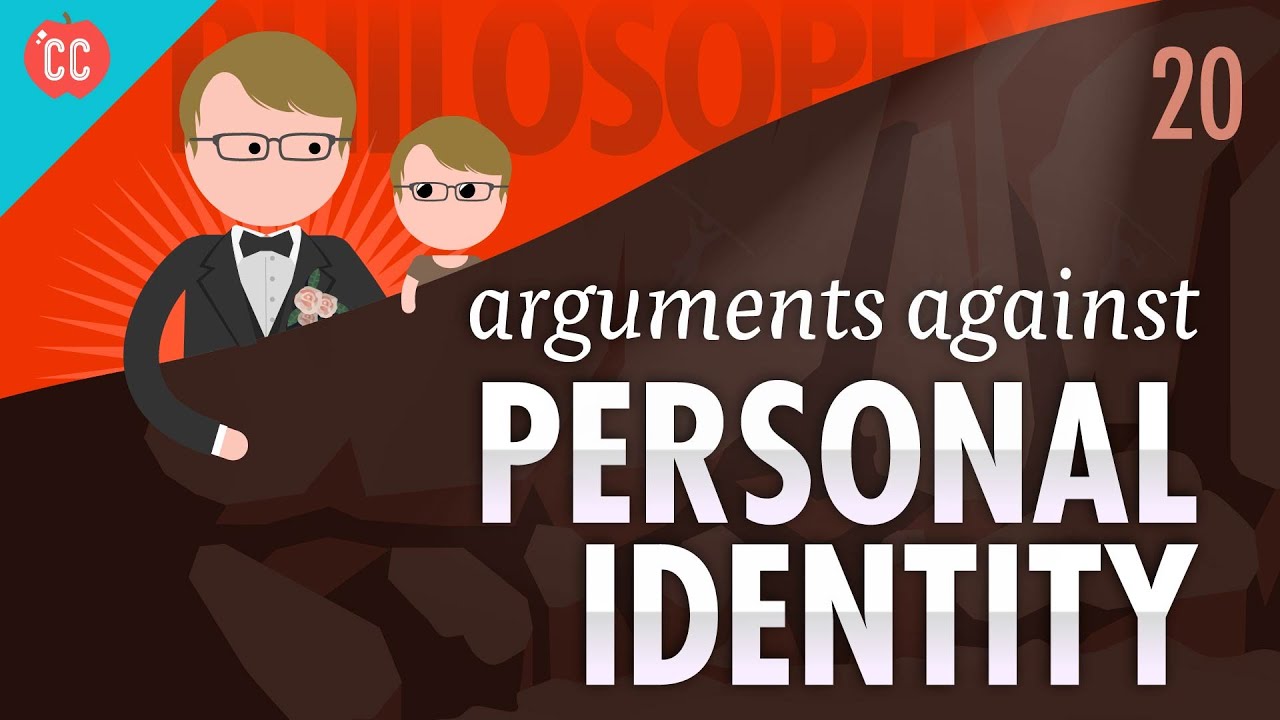
シャドーイング練習:Arguments Against Personal Identity: Crash Course Philosophy #20
 フレーズを聞いてから、声に出してみましょう
フレーズ 1
全文スクリプト
- Craschkurs philosophy is brought to you by Squarespace.クラッシュコース哲学はSquarespaceの提供でお送りします0:03
- Squarespace.Squarespace0:06
- Share your passion with the world.あなたの情熱を世界と共有しましょう0:07
- In your day -to -day life, you probably assume a whole bunch of different identities.日常生活で、あなたはさまざまなアイデンティティを担っています0:08
- You might be a sister to your brother, a daughter to your parents, a colleague to your co -worker, a mentor to the kids you teach.兄弟には姉妹として、両親には娘として、同僚には仕事仲間として、教えている子どもたちにはメンターとして0:13
- Or you might think of your identity as being based on your interests, your skills, or things like your gender or ethnicity.または、自分のアイデンティティは興味やスキル、性別や民族性など、そういった物に基づいていると思うかもしれません0:19
- Whatever they are, I bet you think of your identities as being pretty fixed, stable, and you like them that way.どれにせよ、あなたはそのアイデンティティはかなり固定的で安定していると思うでしょう0:24
- And if that's the case, I'd like you to meet this guy, 18th century Scottish philosopher David Hume, because he says you're wrong.もしそうなら、18世紀のスコットランドの哲学者デヴィッド・ヒュームに会ってほしい。彼はあなたが間違っていると言っているから0:30
- Hume argued that the idea of the self doesn't persist over time.ヒュームは自己という概念は時間とともに持続しないと主張しました0:37
- He said there is no you that is the same person from birth to death.彼は、生まれから死まで同じ人間であるあなたは存在しないと言いました0:40
- He said the concept of the self is just an illusion.彼は、自己の概念は単なる幻想だと言いました0:45
- This could be either liberating or terrifying, depending on how you look at it.これは見方によって、解放的にも恐ろしくもあります0:48
132フレーズすべて表示 一部だけ表示
- I mean, if you don't have an identity, you don't have to worry about identity theft.つまり、もしアイデンティティがなければ、なりすまし詐欺を心配する必要はありません0:52
- But what does it mean for my understanding of myself and for the people I love, if there is no single constant me?しかし、単一の不変の「私」が存在しなければ、自分自身への理解や愛する人たちにとって何を意味するのでしょう0:55
- If that's the case, then the person I'm married to is literally not the person I fell in love with or made those vows to.もしそうなら、結婚している人は実は私が恋に落ちた人でもなければ、誓いを立てた人でもありません1:02
- Which would suggest that I don't need to keep those vows, and neither does she.それは私がその誓いを守る必要がないこと、そして彼女も同じであることを示唆しています1:09
- And what about personal responsibility?個人的な責任についてはどうでしょう1:13
- How can you hold someone accountable for their actions if they're not the same person now that they were before?現在の人が以前と同じ人ではない場合、どうやって誰かの行動に責任を問うことができるでしょう1:15
- And how can you be responsible for something that you did if you're always changing?そして、常に変わっているなら、自分がしたことに対してどうやって責任を負うことができるでしょう1:20
- This is gonna get dicey.これは厄介なことになります1:24
- If you joined me last time when we talked about personal identity, you'll remember that we considered two main possibilities for what might preserve you as the same person over前回個人的なアイデンティティについて話し合った時に参加してくれたなら、時間を通じてあなたが同じ人として保たれるかもしれない2つの主な可能性を考えたことを覚えているでしょう1:35
- time.時間を通じて1:44
- One approach was the body theory, the sort of go -to view of things, which holds that you remain you over time because you just occupy the same body from1つのアプローチは身体理論で、時間を通じてあなたが同じ身体を占めるという理由であなたは変わらないという見方でした1:45
- birth to death.生まれから死まで1:52
- And the other was John Locke's memory theory, the view that your memories are what makes you the same person over time.もう1つはジョン・ロックの記憶理論で、あなたの記憶があなたを時間を通じて同じ人にするという見方でした1:53
- I'm me because I remember being me in the past.私が私であるのは、過去に私であったことを覚えているからです1:58
- But both of these models have some problems.しかし、これらのモデルはどちらも問題があります2:01
- No matter how much we want the idea of permanent, persistent selves to be a thing, David Hume said they just aren't.永続的で持続する自己という考えを望むことがいくらあっても、デヴィッド・ヒュームはそれらは単に存在しないと言いました2:03
- For him, it was really a no -brainer.彼にとって、それは本当に自明のことでした2:09
- If having a certain identity means possessing the same set of properties, he said, then how could anyone really maintain the same identity from one moment to the next?もし特定のアイデンティティを持つことが同じ特性を所有することを意味するなら、誰がどのようにして本当に一瞬から次の瞬間まで同じアイデンティティを保つことができるでしょう2:11
- I clearly don't share all of the same properties of my childhood self or even of myself before I shaved today, so Hume would say that it's silly to pretend明らかに私は子ども時代の自分や今日剃る前の自分と同じすべての特性を共有していないので、ヒュームはそれが~のふりをするのは愚かだと言うでしょう2:19
- that I'm still me.私がまだ私であることを2:27
- But I feel like me, so what did Hume think was going on?しかし、私は自分のように感じるので、ヒュームは何が起こっていると思っていたのでしょう2:28
- Hume said the so -called self is just a bundle of impressions consisting of a zillion different things, my body, my mind, my emotions, preferences, memories, even labels that areヒュームは、いわゆる自己は単に印象のバンドルであり、無数のさまざまなもので構成されていると言いました。私の身体、心、感情、好み、記憶、さらには課せられているラベル2:32
- imposed on me by others.他の人によって課せられた2:41
- Think of a box and say it's marked Hank and then put in that box everything that makes me who I am.箱のことを考えてください。ハンクと書いてあり、その箱の中に私を私たらしめるすべてのものを入れてください2:43
- My DNA, mannerisms, political leanings, my glasses, the relationships I have with others, the various roles I hold, then you take away the box.私のDNA、態度、政治的傾向、眼鏡、他の人との関係、さまざまな役割、そして箱を取り除きます2:48
- Hume's point is, the self is just shorthand for all the junk in the box, and the fact that there is no box points out that there's no single underlyingヒュームの要点は、自己は単に箱の中のすべてのガラクタの略語であり、箱が存在しないという事実は、単一の基礎となるものが存在しないことを指摘しています2:56
- thing that holds it all together.すべてをまとめて保持しているもの3:04
- And meanwhile, some of the stuff in the bundle goes away and new stuff shows up.そして一方で、バンドルの中の何かは去り、新しいものが現れます3:06
- So if you look at the bundle that is me now when compared with the bundle that my mom and dad brought home from the hospital, they would be almostだからあなたが今の私であるバンドルを見るなら、両親が病院から家に持ち帰ったバンドルと比較するなら、それらはほぼ3:09
- completely different.完全に異なっています3:15
- So Hume said we're all just ever -changing bundles of impressions that our minds are fooled into thinking of as constant because they're packaged in these fleshy receptacles that basicallyだからヒュームは、私たちは皆、常に変化する印象のバンドルに過ぎないと言いました。私たちの心は、これらの肉質の容器にパッケージされているので、一定であると考えるように騙されています3:16
- look the same from one day to the next.毎日ほぼ同じに見えます3:26
- To explore this some more, let's bounce over to the Thought Bubble for some flash philosophy.これをさらに探索するために、思考バブルに向かってフラッシュ哲学をやってみましょう3:28
- Contemporary British philosopher Derek Parfit, probably after watching a Star Trek marathon, posed this thought experiment.現代のイギリスの哲学者デレク・パーフィットは、おそらくスタートレックマラソンを見た後、この思考実験を提示しました3:32
- Imagine a machine that breaks you down, atom by atom, copies all of that information, and transmits it to Mars at the speed of light.原子ごとにあなたを分解し、すべての情報をコピーし、光の速度で火星に送る機械を想像してください3:38
- Once that information gets to Mars, another machine uses it to recreate you, atom by atom, using copies of the same organic stuff that you were composed of here onその情報が火星に到達すると、別の機械がそれを使ってあなたを原子ごとに再現し、ここで構成されていたのと同じ有機物のコピーを使用して3:44
- Earth.地球上で3:53
- The person who wakes up on Mars has all of the same memories and personality as you did, and that person thinks it's you.火星で目が覚めた人はあなたと同じすべての記憶と性格を持ち、その人はそれがあなただと思っています3:54
- So here's the question, is this space travel?だからここに質問があります。これは宇宙旅行ですか4:01
- Did you travel to Mars?あなたは火星に旅しましたか4:03
- Is the transported person really you?輸送された人は本当にあなたですか4:04
- Or was a new being created that happened to correspond to you, atom by atom, thought by thought?それとも、原子ごと、思考ごとにあなたに対応することが起こった新しい存在が作られましたか4:07
- Now, consider this.さて、これを考えてください4:13
- What if a new version of the machine is created so that now, instead of destroying your body, it can simply be scanned and all of the information can be機械の新しいバージョンが作成されたらどうでしょう。現在、あなたの体を破壊する代わりに、単にスキャンでき、すべての情報が4:14
- recreated on Mars, but the you here on Earth still exists.火星上で再現されるが、地球上のあなたは依然として存在しています4:21
- Now, did you travel, or were you just replicated?さて、あなたは旅しましたか、それとも単に複製されましたか4:25
- If you're here on Earth, are you also on Mars?もしあなたが地球上にいるなら、火星にもいますか4:28
- Wow.ワオ4:31
- Uh, yeah.ああ、そう。4:32
- Thanks Thought Bubble, I think.ありがとう、思考バブル、かな。4:34
- Parfit agrees with Hume that there isn't such a thing as personal identity over time.パーフィットはヒュームに同意して、時間を通じた個人的なアイデンティティは存在しないと言っています。4:35
- So he says, in either case, you didn't travel through space.だから彼は言います。どちらの場合でも、あなたは宇宙を旅しなかったと。4:40
- That's just a new you that shows up on Mars, whether the old you was destroyed or still exists.それは火星に現れる新しいあなたなだけで、古いあなたが破壊されたか存在するかは関係ありません。4:43
- And you know what?そしてね。4:48
- Even if you hopped on a spaceship and flew to Mars the old -fashioned way, it'd still be a new you that arrives because you would have experienced all sorts宇宙船に乗り込んで昔ながらのやり方で火星に飛んだとしても、あなたが様々な経験をするので、到着するのはまだ新しいあなたです。4:49
- of changes during the trip.旅の間の変化。4:56
- But the thing is, Parfit thought Hume missed a really important point.でも問題は、パーフィットはヒュームが本当に大切なポイントを見逃していたと考えていました。4:57
- Even though there isn't a singular you from birth to death, Parfit says that each of us has a psychological connectedness with ourselves over time.生まれから死まで一つの単一なあなたが存在しなくても、パーフィットは私たち皆が時間を通じて自分たち自身と心理的なつながりを持っていると言っています。5:00
- Think about your life as being like a piece of chainmail.あなたの人生をチェーンメイルのような物だと考えてみてください。5:08
- The mesh that is your personal identity is made up of lots of separate chains, and those chains intersect at certain points to make up the chainmail.あなたの個人的なアイデンティティを構成するメッシュは、多くの別々のチェーンで出来ており、それらのチェーンは特定のポイントで交差してチェーンメイルを構成しています。5:10
- As you follow the timeline of one particular set of links, new links are being created that add to the chain.あなたが特定のリンクのセットのタイムラインに従うと、チェーンに追加される新しいリンクが作成されています。5:17
- And as time passes, the links that are farther back in your past slowly start to drop off as they lose their psychological connection to you.そして時が経つにつれて、あなたの過去からさらに遠いリンクはあなたとの心理的つながりを失うにつれてゆっくりと消えていきます。5:22
- So when you stopped loving Dora the Explorer, that link dropped away.だからあなたがドーラ・ザ・エクスプローラーを愛するのをやめたとき、そのリンクは消えました。5:29
- And when you discovered that you totally loved philosophy, a new link was created.そしてあなたが哲学を本当に愛することを発見したとき、新しいリンクが作られました。5:32
- But some chains intersect with that other chain, and they have links that persist for a long time, like the love you have for your parents.しかし、いくつかのチェーンはその他のチェーンと交差し、長い間続くリンクを持っています。両親への愛のように。5:36
- So Parfit says that, sure, I'm not the same person I was when I was in elementary school, and I won't be the same person when I die.だからパーフィットは言います。確かに、小学校にいたときの同じ人間ではありません。死ぬときも同じ人間ではありません。5:42
- I'm not even really the same person I was when I started this sentence, because every experience changes us, at least a little.実は、この文を始めたときの同じ人間でもありません。すべての経験は私たちを少なくともちょっとは変えるからです。5:48
- But parts of me survive the passage of time, because they're psychologically connected to my previous selves.しかし、私の一部は時間の経過に耐え、なぜなら彼らは前の私と心理的につながっているからです。5:55
- And survival is what's important for Parfit.そして生き残ることはパーフィットにとって重要です。6:01
- As long as enough of the elements of you persist, you see yourself as relevantly the same.あなたの要素が十分に続く限り、あなたは自分自身をそれなりに同じだと見ます。6:03
- But not for a whole lifetime.でも一生ではありません。6:08
- Parfit would say that none of the you that existed at birth is still around.パーフィットは、生まれたときに存在したあなたの何もが今でも周りにいないと言うでしょう。6:10
- Your physical matter is almost all different, and you have no memory of that time, and your preferences have completely changed.あなたの物質はほぼすべて異なり、その時の記憶がなく、あなたの好みは完全に変わってしまいました。6:14
- Baby you has not survived, but some of last year you probably has.赤ちゃんのあなたは生き残りませんでしたが、去年のあなたのいくつかはおそらく生き残りました。6:20
- And Parfit seems to have hit on an important insight here.そしてパーフィットはここで重要な洞察に達したようです。6:25
- Think about what you do when you catch up with an old friend.古い友人に追いついたときに何をするか考えてみてください。6:27
- The first thing you do is ask what's happened since the last time you spoke.最初にすることは、最後に話してから何が起こったかを尋ねることです。6:30
- What you're doing, without really thinking about it, is recognizing that both of you have changed.あなたが本当に考えずにしていることは、あなた二人が変わったことを認識することです。6:33
- If the changes are big enough, then your friend could seem like a stranger at first.変化が大きければ、最初は友人が見知らぬ人のように見えるかもしれません。6:38
- So when it's someone you care about, you take the time to reacquaint yourself with this new person, because you recognize the need to always know the most updated versionだから大切な人の場合、この新しい人と再び親しくなるのに時間をかけます。常に最新バージョンを知る必要があることを認識しているからです。6:41
- of that person.その人の。6:50
- But the opposite can also happen.しかし反対のこともあります。6:51
- Think about that aunt you only see at Christmas, who still pinches your cheek and gives you a new American Girl doll every year.クリスマスにだけ会う、まだあなたの頬をつまんで毎年新しいアメリカンガールドールをくれるおばさんのことを考えてみてください。6:53
- She probably knew what you loved when you were 10, but she doesn't know the current you, the version of you she's shopping for at Christmas doesn't exist anymore.彼女はおそらく10歳のときあなたが何を愛していたかを知っていましたが、現在のあなたを知りません。クリスマスに彼女が買い物をしているあなたはもう存在しません。6:58
- But since you rarely see each other and you haven't made the effort to know the new yous, you're both looking past each other in that painfully awkward way thatでもあなたたちはめったに会わず、新しいあなたたちを知る努力をしていないので、あなたたちは互いにすれ違っています。その不快な気まずい方法で。7:07
- makes holidays with relatives so special.親戚とのホリデーをそんなに特別にする。7:15
- So now let's think back to the question we discussed earlier.では、前に議論した質問に戻りましょう。7:17
- If I'm not the same me over time, how do I make sense of promises, obligations, and responsibilities?時間を通じて同じ私でなければ、約束、義務、責任をどのように理解しますか?7:19
- Parfit's theory gives us an answer.パーフィットの理論は私たちに答えを与えます。7:25
- Your degree of responsibility and obligation corresponds to your degree of connection to the person who made the promise, or incurred the responsibility.あなたの責任と義務の程度は、約束をした人または責任を負った人との接続の程度に対応しています。7:26
- So if you were a kindergarten bully who grew up to be a totally sweet guy who would never bully anyone, you don't need to feel any guilt.だからあなたが幼稚園のいじめっ子だったとしても、大人になって完全に優しい人になり、絶対に誰もいじめないなら、罪悪感を感じる必要はありません。7:34
- You're not that person anymore.あなたはもうその人ではありません。7:40
- You don't bear responsibility for that person's actions.あなたはその人の行動に対して責任を負いません。7:41
- Likewise, if you and your childhood bestie pinky swore to be each other's maids of honor when you grew up, but now that two of you have nothing in common,同様に、あなたと幼年期の親友が大人になったときに互いのメイドオブオナーになることをピンキー誓いをしたが、今二人は何も共通していない場合。7:45
- you're off the hook for that promise.あなたはその約束から逃げられます。7:51
- Now, about those marriage vows?では、その結婚誓約について?7:53
- Well, a promise that lasts a lifetime doesn't really make sense in Parfit's view, and there are actually people using this line of reasoning who argue that marriage contracts shouldまあ、一生続く約束はパーフィットの見解では本当に理にかなっていません。そして実際にこのような推論を使う人々がいて、結婚契約は次のようにすべきだと主張しています。7:54
- be temporary with the option of renewal, kind of like a cell phone plan.携帯電話プランのようなもので、更新の選択肢を持つ一時的なものである。8:02
- But others have said that vows like this can actually stay relevant even after a lifetime of changes.しかし、他の人たちは、このような誓約は人生一生の変化の後でさえ実際に関連性を保つことができると述べています。8:06
- Over the years, you and your spouse change and become different people, but these thinkers point out you may be constantly reaffirming the promises you made on your wedding day.長年にわたって、あなたとあなたの配偶者は変わり、異なる人になりますが、これらの思想家はあなたが結婚式の日にした約束を常に再確認しているかもしれないと指摘しています。8:11
- So a wedding vow isn't a promise you made years ago, when you were a completely different person.だから結婚誓約は、あなたが完全に異なる人間だった年前に作った約束ではありません。8:19
- It's a promise you made this morning, when you took out the trash and cleaned up the hairball the cat left on the rug.それは今朝あなたがゴミを出して、猫がじゅうたんに残した毛玉をきれいにしたときにした約束です。8:23
- Why is it always on the rug?なぜいつもじゅうたんの上にあるのですか?8:28
- So clearly, we're not talking about Batman or science fiction or hypothetical trips to Mars anymore.だから明らかに、もうバットマンや科学小説や火星への仮説的な旅について話していません。8:29
- We're talking about how philosophy can teach you about yourself and the people you care about, and how you can continue to know them and be close to them over哲学があなた自身と大切な人たちについてあなたにどのように教えることができるか、そしてあなたがそれらを知ることを続けることができるか、そして彼らの近くにいることができるかについて話しています。8:34
- time.時間。8:41
- Today we continue to our exploration of personal identity, learning about Hume's bundle theory and Parfit's theory of survival through psychological connectedness.今日、私たちは個人的アイデンティティの探索を続けており、ヒュームの束理論とパーフィットの心理的つながりを通じた生存理論を学んでいます。8:42
- Next time, we're going to address a term we've been taking for granted throughout this whole discussion.次回、私たちはこの全体的な議論を通じて当たり前のこととして受け取ってきた用語に対処するつもりです。8:50
- Person.人8:55
- This episode of Crash Course Philosophy is brought to you by Squarespace.このクラッシュコース・フィロソフィーはSquarespaceがお送りします。8:56
- Squarespace helps to create websites, blogs, or online stores for you and your ideas.Squarespaceは、あなたのアイデアのために、ウェブサイト、ブログ、またはオンラインストアを作成するのをお手伝いします。8:59
- Websites look professionally designed, regardless of skill level, no coding required.ウェブサイトはスキルレベルに関係なくプロフェッショナルに見えて、コーディングは必要ありません。9:03
- Try Squarespace at Squarespace .com slash Crash Course for a special offer.Squarespace.com/Crash CourseでSquarespaceを試して、特別なオファーを利用してください。9:08
- Squarespace.Squarespace。9:11
- Share your passion with the world.あなたの情熱を世界と共有してください。9:12
- Crash Course Philosophy is produced in association with PBS Digital Studios.クラッシュコース・フィロソフィーはPBS Digital Studiosとの協力で制作されています。9:14
- You can head over to their channel and check out a playlist of the latest episodes from shows like PBS Game Show, The Good Stuff, and Gross Science.彼らのチャンネルに行って、PBS Game Show、The Good Stuff、Gross Scienceなどの番組から最新エピソードのプレイリストをチェックできます。9:17
- This episode of Crash Course was filmed in the Dr.このクラッシュコースのエピソードはDr.で撮影されました。9:24
- Cheryl C.シェリル・C.9:26
- Kinney Crash Course Studio with the help of all these awesome people, and our equally awesome graphics team is Thought Café.キニー・クラッシュコース・スタジオ。これらの素晴らしい人々と、同じくらい素晴らしい「Thought Café」というグラフィックスチームの協力で。9:27
このクリップの計測値
- 話速
- 1分あたり227語 — カタログの83%より速い
- CEFRレベル
- B2
- ここで出る縮約形
- gonna
- 覚えておきたい単語
- hairball, ethnicity, mannerisms, pinches, bestie, replicated