Shadowing practice: Why you can't find your keys | Lisa Genova
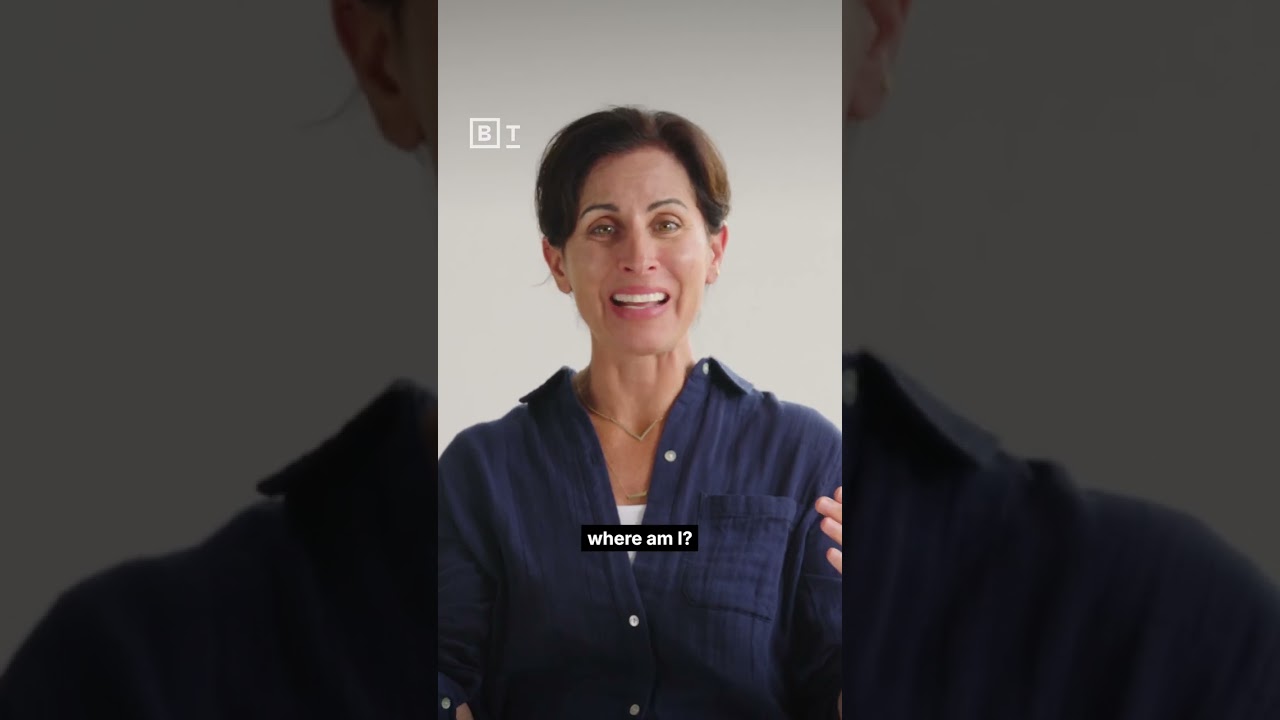 Listen to the line, then say it out loud
Full transcript
- The first essential ingredient in creating a memory that's going to last longer than this present moment is attention.0:00
- If I don't give something my attention, my brain can't form a memory of it.0:08
- If I put my glasses down and don't give it a moment's attention to notice where I've put this, my brain can't form a memory of where I've put my0:13
- glasses.0:22
- So 10 minutes later, when I'm looking for them, I can't remember where they are because I never formed that memory to begin with.0:23
- Here's a great example that I love that I think we can all relate to.0:31
- I regularly cross the Sagamore Bridge in Massachusetts, and this is a really big four -lane structure.0:34
- And I will very often be 10, 20 miles past this bridge and have suddenly wonder, where am I?0:40
- And then realizing I'm over the bridge and I have no memory of having gone over it.0:48
- No memory of crossing this four -lane colossal structure.0:53
- My eyes were open.0:57
- My brain saw the bridge.0:59
Show all 19 lines Show fewer lines
- I drove over it.1:00
- My muscle memory did exactly what it's supposed to do driving the car safely.1:01
- But I have no conscious memory of having driven over a bridge only 10 minutes ago, by the way.1:05
- I'm not asking my brain to remember something from childhood decades ago.1:11
- I can't remember it because the bridge is familiar and we don't really pay attention to what's familiar and same old, same old.1:15
- I was probably listening to an audiobook or lost in thought, so my attention was pulled elsewhere.1:22
- And so the experience of driving over that bridge slipped out of my brain within seconds, gone without a trace, not consolidated into memory.1:29
English speaking practice with a B2 American lecture on forgetting your keys
This B2 english speaking practice clip is a segment from a Big Think talk by Lisa Genova, on why attention, not memory, decides whether you can find your keys. It runs at 185 words per minute, faster than 49 percent of the catalogue, so the 19 lines arrive close together and there is little room to pause. The American accent is clear and lecture paced, with words like "consolidated", "colossal", and "ingredient" doing the heavy lifting while the grammar stays plain.
It suits american accent training because Genova speaks in full, deliberate sentences with almost no filler, which gives you a stable target to imitate before you try faster or more casual speech. The whole clip builds one argument: you cannot remember what you never paid attention to, illustrated by her own story about the Sagamore Bridge.
The language in this lecture: three lines for english shadowing practice
Three lines carry the clip's argument and reward close listening before you repeat them.
- "So 10 minutes later, when I'm looking for them, I can't remember where they are because I never formed that memory to begin with." The two clauses run together with no marked pause, so shadowing this line means matching her rhythm across the comma, not stopping at it.
- "And then realizing I'm over the bridge and I have no memory of having gone over it." The line starts mid thought with "And then", a colloquial connector that pulls the sentence forward. Say it exactly as she does, without smoothing it into a full sentence opener.
- "I was probably listening to an audiobook or lost in thought, so my attention was pulled elsewhere." "Lost in thought" is idiomatic and worth isolating on its own before you try the full line.
How to work through this recording and speak english fluently
Work the clip in this order, using the line numbers from the transcript.
- Listen once straight through, lines 1 to 5, to hear how Genova defines attention before she gives an example.
- Shadow line 6, "Here's a great example that I love that I think we can all relate to," to catch the turn into her own story.
- Move through lines 7 to 10, the bridge story itself. Match the accelerating pace as she realizes she missed it.
- Shadow line 14, "My muscle memory did exactly what it's supposed to do driving the car safely." Practice it slowly first, then at her speed.
- Finish on line 19, "And so the experience of driving over that bridge slipped out of my brain within seconds, gone without a trace, not consolidated into memory." Say it as one breath, the way she does, rather than breaking it into pieces.