Shadowing practice: Two, Not Three | A Bit of Optimism #Podcast
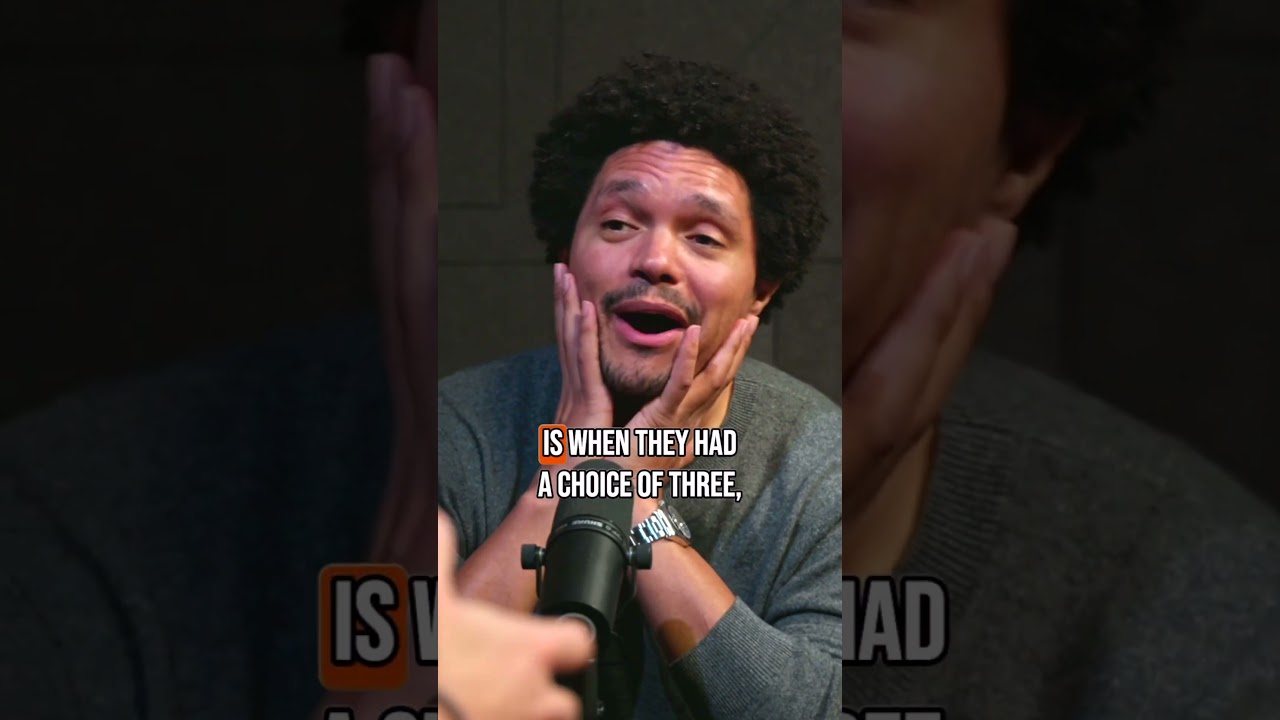 Listen to the line, then say it out loud
Full transcript
- There's a story about a shoe salesman in Los Angeles in the 1950s and a journalist asked him, what's your secret?0:00
- And he said, two, not three.0:07
- If a woman comes into my store, I'll bring her a pair of shoes.0:10
- She'll try them on.0:13
- And she'll say, could I see that pair please?0:13
- And I'll bring her a second pair of shoes.0:15
- And she said, could I also see that pair please?0:17
- And he'll say, which one would you like me to take away?0:19
- Oh.0:22
- Because what he found is when they had a choice of three, they bought none.0:23
- And when they had a choice of two, they bought one.0:27
- Oh, I love that.0:29
Show all 25 lines Show fewer lines
- Right?0:31
- Two, not three.0:31
- Too much choice is overwhelming.0:32
- Oh, man.0:34
- The constraint.0:35
- I need to apply that to my life.0:35
- You see, that's brilliant.0:36
- I love it when people find the nexus of how you're supposed to do it.0:37
- Because I understood it as a concept, but that's a nice way to think about it for anything really.0:41
- And so what I've started doing in my life is I've tried to, I've added constraint, right?0:45
- And I didn't even realize it until we're talking right now.0:51
- It's because we are so terrified of making the wrong choice.0:53
- And rightly so, by the way.0:56
English Listening Practice with Simon Sinek's Shoe Salesman Story
This is a business podcast clip from Simon Sinek, American accent, pitched at B1. Sinek tells a short story about a shoe salesman in 1950s Los Angeles, then a second voice reacts to it in real time, so the recording moves between narration and quick spoken interjections like "Oh" and "Right?". That mix is good english listening practice because you are not just following one register, you are switching between storytelling pace and conversational pace inside the same 25 lines.
The pace is measured at 264 words per minute, faster than 98% of the catalogue here, which is what makes this an english speaking practice clip worth returning to rather than skimming once. The story itself has a clean shape: setup, dialogue, punchline, reflection, so once you know where the turns are you can start matching the rhythm instead of just the words.
The American Accent and Colloquial Turns in This Clip
For american accent training, the interest here is less in a single reduced form and more in how a spoken story is punctuated. Sinek narrates in past tense, then drops into direct quotation without warning, which is exactly how people actually retell stories out loud.
- "There's a story about a shoe salesman in Los Angeles in the 1950s and a journalist asked him, what's your secret?" is the whole setup in one breath. Notice how the sentence keeps adding clauses without a pause, which is the natural shape of spoken storytelling, not written prose.
- "Because what he found is when they had a choice of three, they bought none." is the payoff line. The two halves are almost symmetrical, three versus none, two versus one, and that parallel structure is what carries the meaning when you say it out loud, so the stress has to land on "three" and "none".
- "It's because we are so terrified of making the wrong choice." comes later, after the story has turned into reflection. The tone shifts from telling to explaining, and a slower, more deliberate delivery is what marks that shift, worth noticing if you want to improve english speaking with the right register for each part of a talk.
How to Shadow This Line by Line, from Setup to Punchline
Work through this clip in the order the story actually unfolds, not front to back all at once.
- Start with line 1, the setup sentence about the shoe salesman. Say it twice before moving on, since it is the longest line in the clip and sets the pace for everything after it.
- Take lines 3 through 9, the quoted dialogue between the salesman and the customer. Shadow this line by line and notice how each short exchange ("She'll try them on.", "could I see that pair please?") is delivered almost flat, saving the energy for the punchline.
- Isolate lines 10 and 11, the "choice of three" versus "choice of two" contrast. Repeat this pair five times on its own until the stress on the numbers feels automatic.
- Move to lines 17 and 18, where the second speaker reacts with "The constraint." and then "I need to apply that to my life." Practise the short exclamation and the longer sentence as one unit, since that is how a real listener responds.
- Finish on line 24, "It's because we are so terrified of making the wrong choice.", and try to match the slower, explanatory pace against the faster storytelling pace you shadowed earlier in the clip.