Pratique du shadowing : 5 Smart Ways to Improve your English Speaking Skills
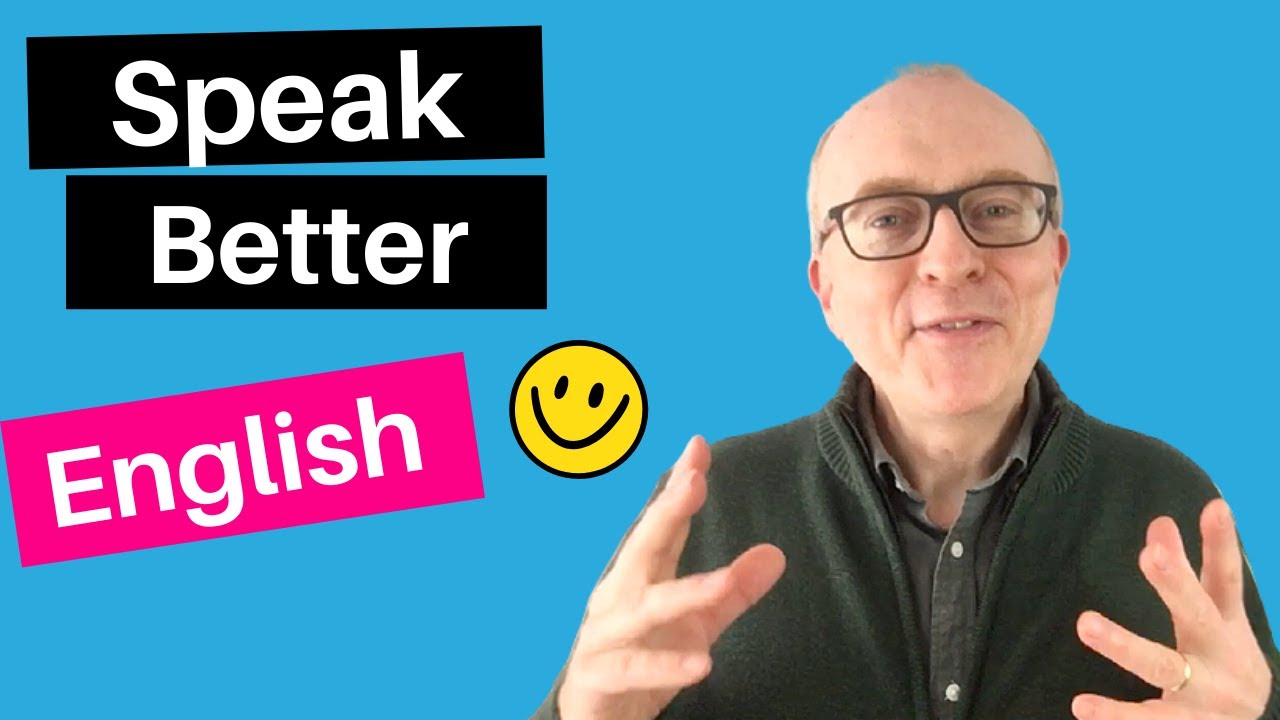 Écoute la phrase, puis dis-la à voix haute
Phrase 1
Transcription complète
- Hello!Bonjour !0:00
- Listen, do you feel like you're not making progress with your spoken English?Écoute, tu as l'impression de ne pas faire de progrès avec ton anglais parlé ?0:01
- Like you're stuck?Comme si tu étais bloqué ?0:08
- Well today I'm going to help you.Eh bien, aujourd'hui je vais t'aider.0:10
- I'm going to give you five tips, right?Je vais te donner cinq conseils, d'accord ?0:12
- Five simple things you can do every day that will help improve your spoken English and help you get well unstuck so you can do really well on the IELTSCinq choses simples que tu peux faire chaque jour pour améliorer ton anglais parlé et t'aider à te débloquer pour que tu puisses vraiment bien réussir l'examen IELTS0:15
- speaking test.de la section expression orale.0:29
- Are you ready?Tu es prêt ?0:30
- Then come with me!Alors viens avec moi !0:32
- Hello again!Bonjour à nouveau !0:43
- So my name is Keith and I run the Keith Speaking Academy here to help you speak better English, give better answers and get a higher score on the IELTSDonc, mon nom est Keith et je dirige l'Académie de prise de parole Keith pour t'aider à mieux parler anglais, à donner de meilleures réponses et à obtenir un meilleur score à l'IELTS0:45
- speaking test.pour la section expression orale.0:55
Afficher les 338 phrases Afficher moins de phrases
- So maybe, right, you've taken the IELTS test several times but you're stuck at the same level, maybe a band six or a six point five.Donc peut-être, hein, tu as passé l'examen IELTS plusieurs fois mais tu es bloqué au même niveau, peut-être une bande six ou six virgule cinq.0:56
- There may be several reasons for this and today I'm going to look at the most common problem for being stuck, right?Il peut y avoir plusieurs raisons à cela et aujourd'hui je vais examiner le problème le plus courant pour être bloqué, d'accord ?1:08
- And actually it's not that you need more technique, exam technique or tips, it's just that your overall level of spoken English is too low.Et en fait, ce n'est pas que tu aies besoin de plus de technique, de technique d'examen ou de conseils, c'est juste que ton niveau global d'anglais parlé est trop faible.1:17
- So the English in your head might be great but when you speak it's just not the same.Donc l'anglais dans ta tête pourrait être formidable mais quand tu parles ce n'est pas la même chose.1:29
- As a student once said to me, he said, you know, well I've got ideas in English, the English in my head, it's like driving a Ferrari, it's great butComme un étudiant me l'a dit une fois, il a dit, tu sais, eh bien, j'ai des idées en anglais, l'anglais dans ma tête, c'est comme conduire une Ferrari, c'est formidable mais1:36
- then when I speak it's like a car crash, which is a great image I think for many many students.ensuite quand je parle, c'est comme un accident de voiture, ce qui est une très bonne image je crois pour beaucoup beaucoup d'étudiants.1:46
- So today I'm going to address that and help you improve your spoken English.Donc aujourd'hui je vais aborder cela et t'aider à améliorer ton anglais parlé.1:56
- With these five tips I'm going to look at the following, how to learn speaking, how to automate your vocabulary, how to increase fluency, how to gain confidence and howAvec ces cinq conseils, je vais examiner comment apprendre à parler, comment automatiser ton vocabulaire, comment augmenter la fluidité, comment gagner en confiance et comment2:01
- to make sure you're choosing the right tools to help you.être sûr que tu choisisses les bons outils pour t'aider.2:15
- Right, okie dokie, let's begin.D'accord, allons-y !2:20
- So first of all, how to learn speaking or how to learn how to speak.Donc d'abord, comment apprendre à parler ou comment apprendre à parler.2:26
- The most important thing is to learn speaking.La chose la plus importante est d'apprendre à parler.2:40
- And if you're a student you can learn speaking with any students around the world, learn speaking with books by looking at words, by reading and reading aloud.Et si tu es un étudiant, tu peux apprendre à parler avec d'autres étudiants du monde entier, apprendre à parler avec des livres en regardant les mots, en lisant et en lisant à haute voix.2:41
- And why?Et pourquoi ?2:50
- Well probably because their teachers told them.Eh bien, probablement parce que leurs professeurs le leur ont dit.2:52
- And the reason their teachers told them is because they learned that at school too.Et la raison pour laquelle leurs professeurs le leur ont dit, c'est parce qu'ils l'ont appris à l'école aussi.2:55
- And I think one reason is in the past there was no access to the native speaker voice, right?Et je pense qu'une raison est que dans le passé, il n'y avait pas accès à la voix d'un locuteur natif, d'accord ?2:59
- But the world has changed and unfortunately education has not changed but it needs to.Mais le monde a changé et malheureusement l'éducation n'a pas changé mais elle doit changer.3:06
- Why is this important?Pourquoi est-ce important ?3:14
- Because the speaking and writing are two different systems, right?Parce que l'expression orale et l'écriture sont deux systèmes différents, d'accord ?3:15
- A bit of history to explain.Un peu d'histoire pour expliquer.3:23
- I like history.J'aime l'histoire.3:26
- We have been speaking, right, for over 10 ,000 years.Nous parlons depuis plus de 10 000 ans.3:28
- We have only been writing for maybe four or five thousand years, right?Nous n'écrivons que depuis peut-être quatre ou cinq mille ans, d'accord ?3:34
- We began writing with the Egyptians and the Samarians with their cuneiforms in about 3000 BC.Nous avons commencé à écrire avec les Égyptiens et les Sumériens avec leurs cunéiformes vers 3000 avant J.-C.3:40
- Speaking came first.L'expression orale est venue en premier.3:47
- Writing was a way to capture what we say.L'écriture était un moyen de capturer ce que nous disons.3:51
- And grammar is a way to capture what we speak.Et la grammaire est un moyen de capturer ce que nous parlons.3:56
- And it does a pretty good job but it's not perfect.Et elle fait un assez bon travail mais ce n'est pas parfait.4:00
- And yet still so many people choose the books to help them learn to speak.Et pourtant, tant de gens choisissent toujours les livres pour les aider à apprendre à parler.4:04
- It's the other way round, right?C'est l'inverse, d'accord ?4:10
- We should start with the speaking and the listening and the books come later.Nous devrions commencer par l'expression orale et l'écoute et les livres viennent plus tard.4:13
- It's a bit like, right, imagine, like Messi, the football player, comes knocking on your door, with his football and he says, hey Keith, would you like to come andC'est un peu comme, d'accord, imagine, comme Messi, le joueur de football, qui frappe à ta porte, avec son ballon et il dit, hé Keith, tu aimerais venir et4:18
- play football with me?jouer au football avec moi ?4:30
- And you go, no actually, I'm just going to stay at home and read this book about football.Et tu dis, non en fait, je vais juste rester à la maison et lire ce livre sur le football.4:32
- What?Quoi ?4:41
- Why would you choose to read about it when you can be doing it, right?Pourquoi tu choisirais de lire là-dessus alors que tu peux le faire, d'accord ?4:42
- And learning really well.Et vraiment bien apprendre.4:48
- I mean, the book can be useful maybe later, but start with the doing, right?Je veux dire, le livre peut être utile peut-être plus tard, mais commence par le faire, d'accord ?4:50
- Start with the listening and the speaking and the writing comes later.Commence par l'écoute et l'expression orale et l'écriture vient plus tard.4:56
- Learning by listening, if I haven't convinced you, let me finish with convincing you.L'apprentissage par l'écoute, si je ne t'ai pas convaincu, laisse-moi te convaincre en finissant.5:01
- Learning by listening has the following benefits, right?L'apprentissage par l'écoute a les avantages suivants, d'accord ?5:06
- First of all, you learn natural spoken English.D'abord, tu apprends l'anglais parlé naturel.5:09
- You know that the language is spoken, not written.Tu sais que la langue se parle, ne s'écrit pas.5:12
- You learn pronunciation.Tu apprends la prononciation.5:17
- You get the context so you know how to learn, how to use the language when you're speaking.Tu obtiens le contexte pour savoir comment apprendre, comment utiliser la langue quand tu parles.5:19
- It's a no brainer.C'est une évidence.5:25
- You must begin by listening, right?Tu dois commencer par écouter, d'accord ?5:28
- And I said earlier, right?Et j'ai dit plus tôt, d'accord ?5:31
- The world has changed.Le monde a changé.5:33
- We can now, we are surrounded by native speaker texts or proficient speaker, audio texts, videos, Netflix, YouTube, you can get it anywhere.Nous pouvons maintenant, nous sommes entourés de textes de locuteurs natifs ou de locuteurs compétents, de textes audio, de vidéos, Netflix, YouTube, tu peux l'avoir n'importe où.5:35
- Keith speaking Academy, if you've heard of that.L'Académie de prise de parole Keith, si tu en as entendu parler.5:48
- There are audios all over the world at the click of a button.Il y a des audios partout dans le monde en un clic.5:51
- So start using it.Alors commence à l'utiliser.5:56
- Learn your speaking by listening.Apprends ton expression orale en écoutant.5:59
- Okay, number two, how to automate vocabulary.Bon, numéro deux, comment automatiser le vocabulaire.6:07
- I love that word.J'aime ce mot.6:11
- Automate.Automatiser.6:13
- Great word.Super mot.6:14
- Keith, yes.Keith, oui.6:15
- What does automate mean?Qu'est-ce que automatiser veut dire ?6:17
- It's a good question.C'est une bonne question.6:19
- And I'm glad you asked to automate something is to make it automatic, like without thinking.Et je suis content que tu aies demandé, automatiser quelque chose c'est le rendre automatique, comme sans réfléchir.6:20
- Do you know the phrase autopilot to do something on autopilot?Tu connais la phrase pilotage automatique pour faire quelque chose sur pilotage automatique ?6:29
- Sometimes I'm driving on autopilot.Parfois je conduis sur pilotage automatique.6:35
- It just means I'm driving without thinking at the same time.Ça signifie juste que je conduis sans réfléchir en même temps.6:37
- So you may know, actually, I have a fluency course and a strong focus of the fluency course is to automate grammar.Donc tu sais peut-être, en fait, j'ai un cours de fluidité et un accent fort du cours de fluidité est d'automatiser la grammaire.6:42
- So we look at maybe 16 different grammatical items and through practice, automate them.Donc nous examinons peut-être 16 éléments grammaticaux différents et grâce à la pratique, les automatiser.6:51
- So you're using them without thinking.Donc tu les utilises sans réfléchir.6:57
- Now you can do the same with vocabulary, automate your vocabulary.Maintenant tu peux faire la même chose avec le vocabulaire, automatiser ton vocabulaire.7:00
- How do you do it?Comment fais-tu ça ?7:05
- Very simple tip.Conseil très simple.7:06
- Tried and tested method, repeat and juggle.Méthode éprouvée, répète et jongle.7:07
- Right.D'accord.7:12
- Repeat and juggle.Répète et jongle.7:13
- What do I mean by that?Qu'est-ce que je veux dire par là ?7:15
- Well, first of all, you find something to listen to, right?Eh bien, d'abord, tu trouves quelque chose à écouter, d'accord ?7:16
- Remember what I said in tip number one, learn speaking through listening.Souviens-toi de ce que j'ai dit au conseil numéro un, apprends l'expression orale en écoutant.7:20
- You listen to something and you repeat a word or a phrase, maybe a collocation, right?Tu écoutes quelque chose et tu répètes un mot ou une phrase, peut-être une collocation, d'accord ?7:25
- So you're listening to something, for example, an audio tape.Donc tu écoutes quelque chose, par exemple, une bande sonore.7:31
- And it says, I love Paris.Et ça dit, j'aime Paris.7:34
- And you go, stop.Et tu dis, arrête.7:37
- I love Paris.J'aime Paris.7:39
- And you repeat, right?Et tu répètes, d'accord ?7:41
- That's the repeat.C'est la répétition.7:43
- Easy peasy.Facile.7:44
- The juggle is that you then change a word.La jongle est que tu changes alors un mot.7:46
- What is juggle?Qu'est-ce que c'est jongler ?7:51
- Good question.Bonne question.7:54
- Let me show you juggle, right?Laisse-moi te montrer jongler, d'accord ?7:55
- Oranges like the magician.Des oranges comme le magicien.7:57
- This is juggling.C'est jongler.7:59
- Whoa.Whoa.8:03
- Now, why do I call it juggling?Maintenant, pourquoi l'appelle-je jongler ?8:05
- I don't.Je ne le fais pas.8:08
- Why do I call it juggling?Pourquoi l'appelle-je jongler ?8:09
- Because you take a word and you change it, right?Parce que tu prends un mot et tu le changes, d'accord ?8:10
- So in our example, I love Paris.Donc dans notre exemple, j'aime Paris.8:15
- I change the word Paris.Je change le mot Paris.8:19
- I love Hanoi.J'aime Hanoï.8:21
- I love New Delhi.J'aime New Delhi.8:23
- I love Manchester.J'aime Manchester.8:25
- Right.D'accord.8:28
- Easy.Facile.8:29
- Now, you can juggle by changing the word or you can change the tense.Maintenant, tu peux jongler en changeant le mot ou tu peux changer le temps.8:30
- I love Paris.J'aime Paris.8:37
- I loved Paris.J'aimais Paris.8:40
- I will love Paris.J'aimerai Paris.8:42
- I used to love Paris.J'avais l'habitude d'aimer Paris.8:45
- I'm sure I would love Paris if I could go there, right?Je suis sûr que j'aimerais Paris si je pouvais y aller, d'accord ?8:47
- So you're juggling the tense.Donc tu jonglais le temps.8:53
- Very, very simple.Très, très simple.8:56
- Listen, repeat and juggle.Écoute, répète et jongle.8:57
- And that formula starts to get you automatically using and hardwiring the vocabulary, making it active and more automated.Et cette formule commence à te faire utiliser automatiquement et câbler le vocabulaire, le rendre actif et plus automatisé.9:00
- Now, actually, as I said, education has changed, right?Maintenant, en fait, comme je l'ai dit, l'éducation a changé, d'accord ?9:12
- We are now surrounded by audio and video.Nous sommes maintenant entourés d'audio et de vidéo.9:16
- There's lots of it.Il y a beaucoup.9:19
- And there's lots of really good tools you can use.Et il y a beaucoup de très bons outils que tu peux utiliser.9:20
- I came across one the other day that I thought was really, really good.J'en ai rencontré un l'autre jour que j'ai trouvé vraiment, vraiment bon.9:23
- And I'm going to show you very briefly how it works.Et je vais te montrer très brièvement comment ça fonctionne.9:27
- It gives you access to lots of audio and video and helps you do this repeating and juggling.Il te donne accès à beaucoup d'audio et de vidéo et t'aide à le faire, répéter et jongler.9:30
- Let me show you.Laisse-moi te montrer.9:35
- So let me show you this app.Alors laisse-moi te montrer cette application.9:37
- I've downloaded it off the Apple Store.Je l'ai téléchargée de l'App Store.9:39
- I'm on my tablet over here.Je suis sur ma tablette ici.9:41
- This is it over here, woodpecker.C'est ça ici, pic-bois.9:43
- And once you go in there, let me go inside the screen and show you how it works.Et une fois que tu y es entré, laisse-moi entrer à l'intérieur de l'écran et te montrer comment ça fonctionne.9:45
- So we've got a whole bunch of YouTube videos.Donc nous avons tout un tas de vidéos YouTube.9:51
- If you've got Netflix, you can go in and sign in and access your Netflix videos.Si tu as Netflix, tu peux entrer et te connecter et accéder à tes vidéos Netflix.9:54
- You can go on the web browser and also get some websites here.Tu peux aller sur le navigateur web et aussi obtenir des sites web ici.10:00
- And there is a built -in dictionary, I think.Et il y a un dictionnaire intégré, je crois.10:04
- Now, let's imagine in YouTube, if you want to select by topic, you can.Maintenant, imaginons sur YouTube, si tu veux sélectionner par sujet, tu peux.10:07
- So if you're interested in, I don't know, in books, you can find all the videos which are related to books.Donc si tu t'intéresses, je ne sais pas, aux livres, tu peux trouver toutes les vidéos qui sont liées aux livres.10:14
- You can also choose by the channel if you prefer or choose by the teacher.Tu peux aussi choisir par la chaîne si tu préfères ou choisir par l'enseignant.10:22
- So all of your famous English teachers are on here.Donc tous tes célèbres professeurs d'anglais sont ici.10:27
- So let's go into, let's see how we can actually use the repeat and juggling technique in a video.Alors entrons, voyons comment nous pouvons réellement utiliser la technique de répétition et jonglage dans une vidéo.10:32
- If we go into this video here, right, you can see you can watch the video.Si nous entrons dans cette vidéo ici, d'accord, tu peux voir que tu peux regarder la vidéo.10:37
- Great.Super.10:42
- The tape script all the way through the video is here with timestamps.Le script de la bande sonore tout au long de la vidéo est ici avec des horodatages.10:44
- So I can click on any timestamp.Donc je peux cliquer sur n'importe quel horodatage.10:49
- He was very popular in his time and pause and I can repeat that, right?Il était très populaire à son époque et mettre en pause et je peux répéter ça, d'accord ?10:52
- He was very popular in his time.Il était très populaire à son époque.10:56
- I can check the meaning of a word by pressing on it.Je peux vérifier le sens d'un mot en appuyant dessus.10:58
- It tells me the meaning of popular, well -liked, popular dictionary voice.Ça me dit la signification de populaire, bien-aimé, voix du dictionnaire populaire.11:01
- But if I press the timestamp, it'll just repeat.Mais si j'appuie sur l'horodatage, il va juste répéter.11:08
- He was very popular in his time.Il était très populaire à son époque.11:12
- He was very popular.Il était très populaire.11:15
- He was very popular.Il était très populaire.11:16
- Press the timestamp.Appuyer sur l'horodatage.11:17
- He was very popular in his time.Il était très populaire à son époque.11:18
- He was very popular.Il était très populaire.11:20
- Great.Super.11:21
- And now I can juggle.Et maintenant je peux jongler.11:22
- I can change the end.Je peux changer la fin.11:24
- He was very popular 10 years ago.Il était très populaire il y a 10 ans.11:25
- He was very popular two years ago.Il était très populaire il y a deux ans.11:27
- He was very popular a year ago and so on.Il était très populaire il y a un an et ainsi de suite.11:30
- He was very popular in his time.Il était très populaire à son époque.11:34
- Total flexibility to move around and be repeating and juggling.Flexibilité totale pour se déplacer et répéter et jongler.11:36
- Absolutely brilliant.Absolument brillant.11:41
- Great.Super.11:42
- So that's it.Donc c'est ça.11:43
- Tip number two.Conseil numéro deux.11:44
- Listen, repeat and juggle.Écoute, répète et jongle.11:45
- Let's move on.Passons à la suite.11:48
- Right.D'accord.11:54
- Number three, how to increase your fluency when speaking.Numéro trois, comment augmenter ta fluidité en parlant.11:55
- So the tip here is focus on chunks.Donc le conseil ici est de se concentrer sur les groupes de mots.12:00
- So what are chunks, you ask?Donc qu'est-ce que les groupes de mots, tu demandes ?12:04
- Chunks are pieces of language.Les groupes de mots sont des morceaux de langue.12:07
- Typically two words together or maybe three or four words that go together normally.Généralement deux mots ensemble ou peut-être trois ou quatre mots qui vont ensemble normalement.12:10
- So your chunks may be, for example, collocations like heavy rain, right?Donc tes groupes de mots peuvent être, par exemple, des collocations comme pluie abondante, d'accord ?12:17
- We don't say big rain.Nous ne disons pas grande pluie.12:23
- We say heavy rain.Nous disons pluie abondante.12:25
- These words go together like friends.Ces mots vont ensemble comme des amis.12:26
- They stick together.Ils collent ensemble.12:28
- Chunks could be idiomatic expressions like kick the bucket, right?Les groupes de mots pourraient être des expressions idiomatiques comme tirer sa révérence, d'accord ?12:30
- Meaning to die.Signifiant mourir.12:36
- He kicked the bucket.Il a tiré sa révérence.12:37
- Kick the bucket.Tirer sa révérence.12:38
- It could be a filler, like on top of that, right?Ça pourrait être un remplisseur, comme en outre, d'accord ?12:40
- When we say on top of that, you don't want to be thinking, is it in top, on top, on top of this, on top of that.Quand nous disons en outre, tu ne veux pas réfléchir, est-ce en, sur, en haut, en haut de ceci, en haut de cela.12:45
- You don't want to be thinking.Tu ne veux pas réfléchir.12:55
- You want a ready made chunk on top of that.Tu veux un groupe de mots prêt à l'emploi en outre.12:56
- So you learn the chunk without thinking about all the words.Donc tu apprends le groupe de mots sans réfléchir à tous les mots.13:00
- And this, as you can imagine, speeds up your fluency.Et cela, comme tu peux l'imaginer, accélère ta fluidité.13:05
- I mean, take collocations.Je veux dire, prends les collocations.13:10
- Let's take the word shopping, for example, right?Prenons le mot shopping, par exemple, d'accord ?13:11
- When you learn the word shopping, you should also learn some common collocations, right?Quand tu apprends le mot shopping, tu dois aussi apprendre des collocations courantes, d'accord ?13:15
- You can go to a website like osdick .com, brilliant website, give you instant collocations, and you'll find things like, well, weekly shopping, online shopping, late night shopping, a shoppingTu peux aller sur un site Web comme osdick.com, excellent site Web, te donner des collocations instantanées, et tu trouveras des choses comme, eh bien, shopping hebdomadaire, shopping en ligne, shopping tard le soir, une13:21
- spree, or shopping hours, right?virée shopping, ou heures d'ouverture du magasin, d'accord ?13:37
- These are chunks of language that, if you learn them, you can use them much more flexibly.Ce sont des groupes de mots de langue que, si tu les apprends, tu peux les utiliser beaucoup plus flexiblement.13:41
- You don't have to think, right?Tu n'as pas à réfléchir, d'accord ?13:46
- Somebody says, you know, what did you do at the weekend?Quelqu'un dit, tu sais, qu'est-ce que tu as fait le week-end ?13:49
- Oh, I did my shopping, you know, for Monday to Saturday, you know, the shopping for the week.Oh, j'ai fait mon shopping, tu sais, de lundi à samedi, tu sais, le shopping pour la semaine.13:52
- Oh, you mean your weekly shopping?Oh, tu veux dire ton shopping hebdomadaire ?14:00
- Yes, I did my weekly shopping.Oui, j'ai fait mon shopping hebdomadaire.14:02
- If you learn the collocation, it just helps you become much more fluent.Si tu apprends la collocation, ça t'aide juste à devenir beaucoup plus fluide.14:06
- It's very simple when you think about it, right?C'est très simple quand tu y réfléchis, d'accord ?14:12
- When you learn words, one word, you have to think about putting them together.Quand tu apprends des mots, un mot, tu dois réfléchir à les mettre ensemble.14:14
- When you learn chunks, you don't have to think about putting the words together.Quand tu apprends des groupes de mots, tu n'as pas à réfléchir à les mettre ensemble.14:21
- You just think about putting the chunks together.Tu penses juste à mettre les groupes de mots ensemble.14:27
- Imagine this, right?Imagine ça, d'accord ?14:30
- Imagine a builder building a house, and he's using bricks, and he puts the bricks one by one, he puts the bricks on top of each other.Imagine un constructeur qui construit une maison, et il utilise des briques, et il met les briques une par une, il met les briques l'une sur l'autre.14:32
- That's quite slow and takes time to build a house.C'est assez lent et prend du temps pour construire une maison.14:43
- But now imagine, somebody has a new invention and gives him four or five bricks in a layer glued together.Mais maintenant imagine, quelqu'un a une nouvelle invention et lui donne quatre ou cinq briques dans une couche collées ensemble.14:46
- And all he has to do is put the layers of bricks on top of each other.Et tout ce qu'il a à faire est de mettre les couches de briques l'une sur l'autre.14:55
- It's much faster.C'est beaucoup plus rapide.14:59
- And what's more, the house is going to be better, because it'll be more accurately aligned.Et en plus, la maison va être meilleure, parce que ce sera plus aligné avec précision.15:01
- It's more accurate.C'est plus précis.15:08
- And it's the same with language, right?Et c'est la même chose avec la langue, d'accord ?15:09
- Using these layers or chunks, more accurate, it's faster.En utilisant ces couches ou groupes de mots, plus précis, c'est plus rapide.15:11
- It's faster, you become more fluent.C'est plus rapide, tu deviens plus fluide.15:16
- So when you're learning vocabulary, think and learn and use chunks.Donc quand tu apprends le vocabulaire, réfléchis et apprends et utilise des groupes de mots.15:19
- Let's move on.Passons à la suite.15:26
- Right, tip number four, right?D'accord, conseil numéro quatre, d'accord ?15:32
- How to gain confidence.Comment gagner en confiance.15:36
- Well, here, my tip for you is push your comfort zone.Eh bien, ici, mon conseil pour toi c'est de repousser ta zone de confort.15:39
- Your comfort zone is the area of doing things where you feel comfortable.Ta zone de confort est le domaine de faire des choses où tu te sens à l'aise.15:44
- So maybe you learn English by watching a film, you're comfortable.Donc peut-être que tu apprends l'anglais en regardant un film, tu es à l'aise.15:51
- You read a book, you're comfortable.Tu lis un livre, tu es à l'aise.15:55
- But then somebody says, well, listen, why don't you record your voice?Mais ensuite quelqu'un dit, eh bien, écoute, pourquoi tu n'enregistrerais pas ta voix ?15:58
- Oh, no, I'm not very comfortable.Oh, non, je ne suis pas très à l'aise.16:03
- No, no, no.Non, non, non.16:06
- Oh, why don't you get a speaking partner on Facebook?Oh, pourquoi tu ne te trouves pas un partenaire de conversation sur Facebook ?16:07
- Oh, no, no, no, no, I'm not comfortable with that.Oh, non, non, non, non, je ne suis pas à l'aise avec ça.16:10
- Why don't you go enjoying the classes down the road?Pourquoi tu ne profites pas des cours du coin ?16:14
- Oh, no, no, no, no, no, no, no, I'm not comfortable with that.Oh, non, non, non, non, non, non, non, je ne suis pas à l'aise avec ça.16:17
- And so you're, you're, there's almost a fear, if you like, of breaking your comfort zone.Et donc tu es, tu es, il y a presque une peur, si tu veux, de casser ta zone de confort.16:20
- But when you use English in the world, you are going to have to interact with other people, speak to strangers, be nervous, make mistakes, have other people sometimes laughMais quand tu utilises l'anglais dans le monde, tu vas devoir interagir avec d'autres personnes, parler à des étrangers, être nerveux, faire des erreurs, avoir d'autres personnes parfois rire16:26
- at your mistakes, it's going to happen.de tes erreurs, ça va arriver.16:40
- So get used to it.Alors habitue-toi à ça.16:43
- And believe it or not, when you do the IELTS speaking test, you do it with a real person.Et que tu le croies ou non, quand tu passes l'examen de prise de parole IELTS, tu le fais avec une vraie personne.16:46
- Yes, the examiners are real people.Oui, les examinateurs sont de vraies personnes.16:52
- And you will have to get used to being nervous, get used to making mistakes in front of them, get used to those feelings of being uncomfortable.Et tu devras t'habituer à être nerveux, t'habituer à faire des erreurs devant eux, t'habituer à ces sentiments d'être mal à l'aise.16:56
- How do you get used to it?Comment t'habitues-tu à ça ?17:08
- Push your comfort zone.Repousse ta zone de confort.17:10
- Do these things that make you uncomfortable, right?Fais ces choses qui te mettent mal à l'aise, d'accord ?17:12
- And I think one of the best things you can do really is practice with other people.Et je pense que l'une des meilleures choses que tu peux vraiment faire est de pratiquer avec d'autres personnes.17:16
- Yes, you can practice speaking on your own, that's great.Oui, tu peux pratiquer la prise de parole tout seul, c'est super.17:21
- But to take your confidence up to the next level, you should practice with other people.Mais pour passer ta confiance au niveau suivant, tu devrais pratiquer avec d'autres personnes.17:24
- You know, I'm a big fan of platforms like iTalky and Cambly or Facebook for finding, you know, speaking partners.Tu sais, je suis un grand fan de plateformes comme iTalky et Cambly ou Facebook pour trouver, tu sais, des partenaires de conversation.17:30
- But by doing that, you're going to be practicing with other people.Mais en faisant ça, tu vas pratiquer avec d'autres personnes.17:39
- Yes, you will feel uncomfortable, but the great news is you will get used to feeling uncomfortable.Oui, tu vas te sentir mal à l'aise, mais la bonne nouvelle c'est que tu vas t'habituer à te sentir mal à l'aise.17:43
- You'll get used to feeling nervous.Tu vas t'habituer à te sentir nerveux.17:49
- You'll get used to making mistakes in front of other people.Tu vas t'habituer à faire des erreurs devant d'autres personnes.17:52
- And then by pushing your comfort zone, you'll be in a much stronger position and have more confidence to face the IELTS examiner on test day.Et ensuite en repoussant ta zone de confort, tu vas être dans une position beaucoup plus forte et avoir plus de confiance pour affronter l'examinateur IELTS le jour du test.17:56
- So go out and push your comfort zone.Alors vas-y et repousse ta zone de confort.18:08
- Good.Bon.18:12
- Talking of tools, let's move on to the next tip number five.En parlant d'outils, passons au conseil suivant numéro cinq.18:13
- It's all about tools.C'est tout sur les outils.18:17
- Right, tip number five.D'accord, conseil numéro cinq.18:23
- All about choosing the right tools.C'est tout sur le choix des bons outils.18:25
- Right.D'accord.18:28
- My suggestion here, tip number five is immerse yourself in natural spoken English.Ma suggestion ici, conseil numéro cinq c'est de t'immerger dans l'anglais parlé naturel.18:28
- It's all well and good, right?C'est très bien, d'accord ?18:37
- Having a coursebook, having a teacher and practicing with English, which is for students.Avoir un manuel de cours, avoir un professeur et pratiquer avec l'anglais, qui est pour les étudiants.18:39
- But it's really important you don't forget the real world and that you also engage and immerse yourself in natural spoken English, which is not for students, which is usedMais c'est vraiment important que tu n'oublies pas le monde réel et que tu engages et immerges également dans l'anglais parlé naturel, qui n'est pas pour les étudiants, qui est utilisé18:46
- by not normal people.par des gens normaux pas normaux.18:57
- By native speakers or proficient level speakers of English.Par des locuteurs natifs ou des locuteurs de niveau compétent de l'anglais.19:00
- Why is this important?Pourquoi est-ce important ?19:05
- Well, because teachers are great, right?Eh bien, parce que les professeurs sont super, d'accord ?19:07
- But teachers and coursebooks normally limit the language they expose you to.Mais les professeurs et les manuels de cours limitent normalement la langue à laquelle ils t'exposent.19:10
- They speak slowly.Ils parlent lentement.19:15
- They correct you.Ils te corrigent.19:17
- They're polite.Ils sont polis.19:19
- They encourage you.Ils t'encouragent.19:20
- It's kind of an artificial bubble where you can build up your confidence and that's great.C'est une sorte de bulle artificielle où tu peux développer ta confiance et c'est super.19:22
- But also the real world is a bit different, right?Mais le monde réel est un peu différent, d'accord ?19:29
- People are not so polite.Les gens ne sont pas si polis.19:33
- They may not correct you.Ils pourraient ne pas te corriger.19:35
- They speak quickly.Ils parlent rapidement.19:36
- They expect you to understand.Ils s'attendent à ce que tu comprennes.19:37
- There is no mercy in the IELTS speaking test.Il n'y a pas de merci à l'examen de prise de parole IELTS.19:39
- You must answer straight away.Tu dois répondre tout de suite.19:42
- So there's pressure, right?Il y a donc une pression, d'accord ?19:47
- So I think having, of course, have the teacher, the course and the book, that's great.Donc je pense que d'avoir, bien sûr, avoir le professeur, le cours et le livre, c'est super.19:49
- But also make sure you're immersing yourself in spoken English.Mais assure-toi également que tu t'immerges dans l'anglais parlé.19:54
- And this connects with a lot of things I said earlier, right?Et cela se connecte avec beaucoup de choses que j'ai dites plus tôt, d'accord ?19:58
- About listening, learning speaking by listening, about using different tools.À propos de l'écoute, apprendre l'expression orale en écoutant, à propos d'utiliser différents outils.20:01
- So nowadays, there is so much opportunity and I'm sure you know through videos and podcasts that you can find on the internet, on your television, or through your radio,Donc de nos jours, il y a tellement d'opportunités et je suis sûr que tu sais à travers les vidéos et les podcasts que tu peux trouver sur Internet, sur ta télévision, ou à travers ta radio,20:08
- if you still have a radio, call me old fashioned, if you will.si tu as encore une radio, appelez-moi vieux jeu, si tu veux.20:19
- But there's lots of opportunity to be listening and watching.Mais il y a plein d'opportunités d'être à l'écoute et regarder.20:25
- I think it's great to be looking at news broadcasts, current affairs shows, chat shows, interviews with people, great natural English, TED talks can be great.Je pense que c'est super de regarder des bulletins d'information, des émissions d'actualités, des émissions de discussion, des interviews avec des gens, un super anglais naturel, les discours TED peuvent être super.20:31
- Obviously, films are good.Évidemment, les films sont bons.20:44
- I mean, bear in mind films are scripted, so they're semi -natural, but still a great source to immerse yourself in English.Je veux dire, gardez à l'esprit que les films sont scénarisés, donc ils sont semi-naturels, mais toujours une super source pour t'immerger dans l'anglais.20:47
- And also, there's the tool I mentioned earlier, right?Et il y a aussi l'outil que j'ai mentionné plus tôt, d'accord ?20:55
- Which I think has a great balance because it's the Woodpecker Learning app.Ce que je pense avoir un bon équilibre parce que c'est l'application Woodpecker Learning.20:58
- It gives you not only access to ESL stuff, so stuff for students, but also the real world stuff.Elle te donne non seulement accès au contenu pour étudiants, donc des trucs pour les étudiants, mais aussi du contenu du monde réel.21:04
- You get access, I think, to hundreds of thousands of videos that you can choose from on the app and be watching them all in one place.Tu as accès, je crois, à des centaines de milliers de vidéos que tu peux choisir sur l'application et les regarder tous à un seul endroit.21:12
- Lots of them have got subtitles, right?Beaucoup d'entre eux ont des sous-titres, d'accord ?21:22
- So that gives you the support if you want the written support.Donc ça te donne le soutien si tu veux le soutien écrit.21:25
- But it's a great opportunity to submerge yourself or immerse yourself in the natural English language.Mais c'est une super opportunité de t'immerger ou t'immerger dans la langue anglaise naturelle.21:29
- Go and check it out.Vas le vérifier.21:38
- I'll put a link in the notes below.Je vais mettre un lien dans les notes ci-dessous.21:39
- You can go and download it.Tu peux aller et le télécharger.21:42
- It's out on Google and Apple.C'est sur Google et Apple.21:44
- Go and have a look and let me know.Vas et jette un œil et dis-moi.21:47
- Here you go.Le voilà.21:49
- Let me know in the comments below what you're watching on the app now to help improve your English.Fais-moi savoir dans les commentaires ci-dessous ce que tu regardes sur l'application maintenant pour aider à améliorer ton anglais.21:50
- Go and check it out.Vas le vérifier.21:57
- It's free, of course.C'est gratuit, bien sûr.21:59
- Lovely.Sympa.22:00
- Let's move on.Passons à la suite.22:01
- So listen, those are my five tips to help you improve your English speaking skills.Alors écoute, ce sont mes cinq conseils pour t'aider à améliorer tes compétences en anglais parlé.22:02
- So we've looked at how to learn speaking by listening, how to automate vocabulary, repeat and juggle, how to increase fluency with those chunks, how to gain confidence by pushingAlors nous avons examiné comment apprendre l'expression orale en écoutant, comment automatiser le vocabulaire, répète et jongle, comment augmenter la fluidité avec ces groupes de mots, comment gagner en confiance en repoussant22:08
- your comfort zone, and how to use the right tools and immerse yourself in English.ta zone de confort, et comment utiliser les bons outils et t'immerger dans l'anglais.22:21
- Great.Super.22:28
- And I think, I mean, remember, these are tips, but it needs day to day practice.Et je pense, je veux dire, souviens-toi, ce sont des conseils, mais il faut une pratique quotidienne.22:29
- Be patient, but be persistent.Sois patient, mais sois persévérant.22:35
- Keep practicing day after day.Continue à pratiquer jour après jour.22:38
- That's what it's really all about, because we're talking about increasing your overall level of English.C'est vraiment de quoi il s'agit, parce que nous parlons d'augmenter ton niveau global d'anglais.22:41
- It takes time, but it's fun.Ça prend du temps, mais c'est amusant.22:47
- It's great.C'est super.22:49
- And I hope with these tips, it will help you maybe move from being a struggling IELTS student to being a successful IELTS speaker.Et j'espère qu'avec ces conseils, ça t'aidera peut-être à passer d'un étudiant IELTS en difficulté à un locuteur IELTS réussi.22:50
- Now that would be nice, wouldn't it?Ce serait sympa, n'est-ce pas ?23:02
- Great.Super.23:04
- That's it.C'est ça.23:05
- Please do subscribe.S'il te plaît, aboie-toi.23:07
- Remember to turn on notifications on YouTube so you can find out about my upcoming videos.N'oublie pas d'activer les notifications sur YouTube pour que tu saches à propos de mes prochaines vidéos.23:09
- Do leave me a comment below.Laisse-moi un commentaire ci-dessous.23:14
- Let me know what you're watching or listening to to help improve your English today.Fais-moi savoir ce que tu regardes ou écoutes pour aider à améliorer ton anglais aujourd'hui.23:16
- Brilliant.Brillant.23:23
- As always, it's been fun and a pleasure.Comme toujours, c'était amusant et un plaisir.23:24
- Take care, my friend.Prends soin de toi, mon ami.23:27
- Bye -bye now.À bientôt maintenant.23:29
Mesuré dans ce clip
- Débit
- 160 mots par minute — plus rapide que 25% du catalogue
- Niveau CECRL
- B1
- Mots à connaître
- okie, peasy, unstuck, examiners, submerge, scripted