Práctica de shadowing: English in Daily Life – Talk About Your Day | Podcast for Beginners
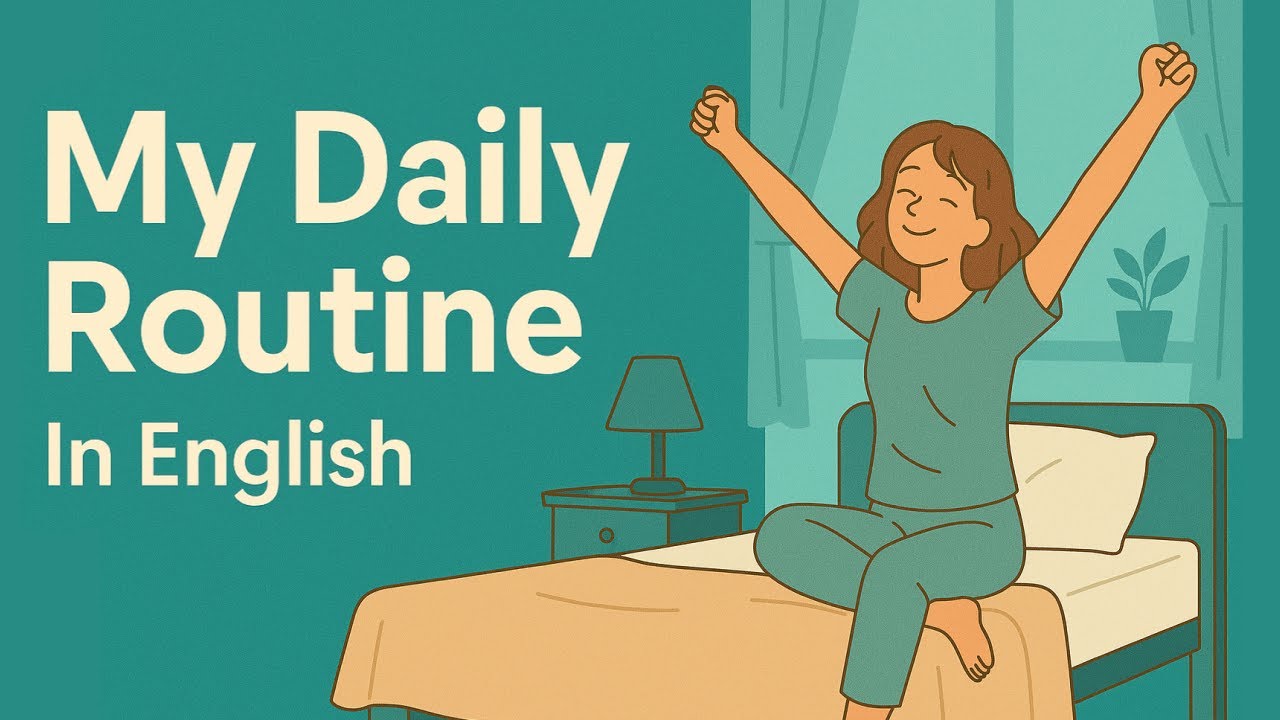 Escucha la frase y luego dila en voz alta
Frase 1
Transcripción completa
- Hello everyone and welcome back to Mr.Hola a todos y bienvenidos de vuelta a Mr.0:08
- English Channel.English Channel.0:12
- I'm Emily.Soy Emily.0:13
- And I'm Paul, so happy to be here with you all today.Y yo soy Paul, muy feliz de estar aquí con ustedes hoy.0:14
- Yes, it's great to have you back with us.Sí, es genial tenerlos de vuelta con nosotros.0:18
- And today we have a super fun and helpful topic for all our English learners out there.Y hoy tenemos un tema súper divertido y útil para todos nuestros estudiantes de inglés.0:21
- We're going to talk about something we all do every single day, our daily routine.Vamos a hablar de algo que todos hacemos todos los días, nuestra rutina diaria.0:27
- Oh, I love this topic.Ay, me encanta este tema.0:33
- It's so practical and full of everyday English.Es muy práctico y lleno de inglés de todos los días.0:35
- Before we dive in, please, if you're enjoying our podcast, remember to subscribe to the channel, share this episode with your friends who are learning English and give us aAntes de empezar, por favor, si están disfrutando nuestro podcast, recuerden suscribirse al canal, compartir este episodio con sus amigos que están aprendiendo inglés y dénnos un0:39
- big thumbs up.pulgar grande hacia arriba.0:50
- It really helps us a lot.Realmente nos ayuda mucho.0:51
Mostrar las 262 frases Mostrar menos frases
- Absolutely.Absolutamente.0:54
- Your support means the world to us.Su apoyo significa el mundo para nosotros.0:56
- So for today's episode, we have a special guest.Entonces para el episodio de hoy, tenemos un invitado especial.0:58
- Well, not a real guest, but we're going to listen to the story of someone named Sarah.Bueno, no es un invitado real, pero vamos a escuchar la historia de alguien llamada Sarah.1:02
- She's going to tell us all about her daily routine.Ella nos va a contar todo sobre su rutina diaria.1:07
- Ooh, I'm excited.Ay, estoy emocionada.1:11
- We'll listen to Sarah's story and then Emily and I will chat about it, breaking down some of the English she uses and giving you some extra tips.Escucharemos la historia de Sarah y luego Emily y yo hablaremos de ella, explicando algo del inglés que usa y dándote algunos consejos extra.1:14
- Exactly.Exactamente.1:24
- It'll be a relaxed chat, almost like we're just talking about our day.Será una conversación relajada, casi como si solo estuviéramos hablando sobre nuestro día.1:25
- So without further ado, let's listen to Sarah's daily routine.Así que sin más preámbulos, escuchemos la rutina diaria de Sarah.1:30
- Hi, everyone.Hola a todos.1:38
- My name is Sarah and I'm happy to share my daily routine with you.Mi nombre es Sarah y estoy feliz de compartir mi rutina diaria contigo.1:40
- I usually get up at around six more in the morning.Usualmente me levanto alrededor de las seis más en la mañana.1:45
- The first thing I do is turn off my alarm and then I stretch in bed for a few minutes.Lo primero que hago es apagar mi alarma y luego me estiro en la cama unos minutos.1:48
- After that, I get out of bed and go to the bathroom to have a shower.Después de eso, me levanto de la cama y voy al baño a ducharme.1:53
- After my shower, I dry myself and get dressed.Después de mi ducha, me seco y me visto.1:59
- I usually choose comfortable clothes for the day.Usualmente elijo ropa cómoda para el día.2:02
- Then I go downstairs to the kitchen and make breakfast.Luego bajo a la cocina y preparo el desayuno.2:06
- I usually have a bowl of oatmeal with fruit and a cup of tea.Usualmente como un tazón de avena con fruta y una taza de té.2:09
- While I eat breakfast, I often read the news on my phone.Mientras desayuno, a menudo leo las noticias en mi teléfono.2:13
- After breakfast, I wash the dishes and tidy up the kitchen.Después del desayuno, lavo los platos y ordeno la cocina.2:18
- Then I brush my teeth and put on a little makeup.Luego me cepillo los dientes y me pongo un poco de maquillaje.2:23
- Around 7 .30 a .m., I leave the house to go to work.Alrededor de las siete treinta a.m., salgo de la casa para ir al trabajo.2:27
- I usually take the bus, which takes about 30 minutes.Usualmente tomo el autobús, que tarda unos 30 minutos.2:32
- I arrive at work at 8 a .m.Llego al trabajo a las ocho a.m.2:36
- and start working immediately.y empiezo a trabajar inmediatamente.2:39
- I usually work on my computer and attend meetings throughout the morning.Usualmente trabajo en mi computadora y asisto a reuniones durante toda la mañana.2:41
- Around 12 o 'clock, I have lunch with my colleagues in the cafeteria.Alrededor del mediodía, almuerzo con mis colegas en la cafetería.2:47
- We usually chat and relax during our lunch break.Usualmente charlamos y nos relajamos durante nuestro descanso de almuerzo.2:52
- After lunch, I go back to work and continue my tasks until 5 o 'clock.Después del almuerzo, vuelvo al trabajo y continúo mis tareas hasta las cinco.2:56
- When I finish work, I go back home by bus.Cuando termino el trabajo, regreso a casa en autobús.3:02
- Sometimes, if the weather is nice, I walk home.A veces, si el clima es agradable, camino a casa.3:07
- When I get home, I usually feel tired, so I relax on the sofa for a while.Cuando llego a casa, usualmente me siento cansada, así que me relajo en el sofá un rato.3:12
- Sometimes, my friend comes over and we talk or watch a movie.A veces, mi amiga viene y conversamos o vemos una película.3:18
- Other times, I cook dinner for myself.Otras veces, preparo cena para mí.3:24
- I like to eat dinner around 7 .30 p .m.Me gusta cenar alrededor de las siete treinta p.m.3:27
- After dinner, I usually wash the dishes again and then I might read a book or watch some TV.Después de la cena, usualmente lavo los platos de nuevo y luego podría leer un libro o ver televisión.3:31
- Before bed, I always brush my teeth again and get ready for bed.Antes de acostarme, siempre me cepillo los dientes de nuevo y me preparo para dormir.3:39
- I usually go to bed around 10 or 10 .30 p .m.Usualmente me acuesto alrededor de las diez o diez treinta p.m.3:43
- That's pretty much my daily routine.Esa es básicamente mi rutina diaria.3:47
- Wow, that was Sarah's day.Vaya, ese fue el día de Sarah.3:54
- What a routine.Qué rutina.3:57
- Yeah, that's a busy day.Sí, ese es un día ocupado.3:58
- I liked how she started, Hi everyone, my name is Sarah, and I'm happy to share my daily routine with you.Me gustó cómo empezó, Hola a todos, mi nombre es Sarah, y estoy feliz de compartir mi rutina diaria contigo.4:01
- It's a nice, simple way to introduce yourself and what you're going to talk about.Es una forma agradable y simple de presentarte y de lo que vas a hablar.4:09
- Very clear.Muy claro.4:14
- Absolutely.Absolutamente.4:15
- And then she immediately jumps into the morning, saying, I usually get up at around 6 in the morning.Y luego salta inmediatamente a la mañana, diciendo, Usualmente me levanto alrededor de las seis por la mañana.4:17
- This phrase, get up, is super common for waking up and getting out of bed.Esta frase, get up, es muy común para despertarse y salir de la cama.4:24
- We use it all the time.La usamos todo el tiempo.4:30
- Right.Correcto.4:32
- And notice she says, at around 6.Y fíjate que dice, alrededor de las 6.4:33
- That around is useful.Ese alrededor es útil.4:37
- It means not exactly 6, maybe 5 minutes before or 5 minutes after.Significa no exactamente las 6, tal vez 5 minutos antes o 5 minutos después.4:39
- It's an approximation.Es una aproximación.4:46
- Good word to know.Buena palabra para saber.4:47
- Yes.Sí.4:49
- And what's the very first thing she does?¿Y cuál es lo primero que hace?4:50
- The first thing I do is turn off my alarm.Lo primero que hago es apagar mi alarma.4:52
- The alarm clock, that's a universal experience, isn't it?El despertador, eso es una experiencia universal, ¿verdad?4:56
- Turn off means to make it stop, like turning off the light.Apagar significa hacerlo detenerse, como apagar la luz.5:00
- Yep, that noisy alarm.Sí, esa alarma ruidosa.5:05
- And then she says, And then I stretch in bed for a few minutes.Y luego ella dice, Y luego me estiro en la cama unos minutos.5:07
- Oh, I love that.Oh, me encanta eso.5:12
- Stretching is great.El estiramiento es genial.5:14
- Stretch means to extend your body, make it long.Estirarse significa extender tu cuerpo, hacerlo largo.5:16
- It feels good.Se siente bien.5:20
- Yes, it does.Sí, se siente bien.5:21
- And then after that, I get out of bed.Y luego después de eso, me levanto de la cama.5:23
- So get up is waking up and get out of bed is physically leaving the bed.Entonces levantarse es despertarse y salir de la cama es irse físicamente de la cama.5:27
- Two different but related actions.Dos acciones diferentes pero relacionadas.5:34
- Exactly.Exactamente.5:36
- And she goes to the bathroom to have a shower.Y ella va al baño para tomar una ducha.5:38
- We say have a shower or take a shower.Decimos tomar una ducha o darse una ducha.5:41
- Both are correct and very common.Ambas son correctas y muy comunes.5:44
- Okay, so after her shower, Sarah says, I dry myself and get dressed.Bien, entonces después de su ducha, Sarah dice, Me seco y me visto.5:46
- So dry myself means to use a towel, right?Entonces secarme significa usar una toalla, ¿verdad?5:53
- And get dressed is to put on clothes.Y vestirse es ponerse ropa.5:57
- Simple but important actions.Acciones simples pero importantes.6:00
- Yeah.Sí.6:03
- And she says, I usually choose comfortable clothes for the day.Y ella dice, Generalmente elijo ropa cómoda para el día.6:03
- Good choice, Sarah.Buena elección, Sarah.6:09
- Comfort is key.La comodidad es clave.6:10
- Choose means to pick, to select and comfortable means feeling good, not tight, not itchy.Elegir significa escoger, seleccionar y cómodo significa sentirse bien, no apretado, no irritante.6:12
- Definitely.Definitivamente.6:19
- Then I go downstairs to the kitchen and make breakfast.Luego bajo a la cocina y preparo el desayuno.6:20
- Go downstairs means going to a lower floor in a house and make breakfast is to prepare food for breakfast.Bajar significa ir a un piso más bajo en una casa y preparar desayuno es preparar comida para el desayuno.6:25
- You can also say, cook breakfast or prepare breakfast.También puedes decir, cocinar desayuno o preparar desayuno.6:34
- Oh, and her breakfast.Oh, y su desayuno.6:38
- I usually have a bowl of oatmeal with fruit and a cup of tea.Generalmente tengo un plato de avena con fruta y una taza de té.6:40
- Mmm sounds healthy.Mmm suena saludable.6:45
- Have here means to eat or drink.Tener aquí significa comer o beber.6:47
- So you can have breakfast, have lunch, have dinner, and a bowl of oatmeal.Entonces puedes desayunar, almorzar, cenar, y un plato de avena.6:50
- Oatmeal is a type of hot cereal made from oats, very common breakfast food.La avena es un tipo de cereal caliente hecho de avena, comida de desayuno muy común.6:56
- Yes, very common.Sí, muy común.7:01
- And while I eat breakfast, I often read the news on my phone.Y mientras desayuno, a menudo leo las noticias en mi teléfono.7:03
- While means at the same time.Mientras significa al mismo tiempo.7:08
- So eating and reading the news simultaneously.Entonces comiendo y leyendo las noticias simultáneamente.7:11
- And on my phone, we often say on for electronic devices when we're using them for information, like on the internet, on my computer, after breakfast, she says, I washY en mi teléfono, a menudo decimos en para dispositivos electrónicos cuando los usamos para información, como en internet, en mi computadora, después del desayuno, ella dice, Lavo7:15
- the dishes and tidy up the kitchen.los platos y arreglo la cocina.7:28
- Important chores.Tareas importantes.7:32
- Wash the dishes is to clean the plates, cups, and forks.Lavar los platos es limpiar los platos, tazas y tenedores.7:33
- And tidy up means to make a place neat and organized, like putting things back in their place.Y arreglar significa hacer un lugar limpio y ordenado, como poner las cosas de vuelta en su lugar.7:37
- Yes, tidy up is a great phrase.Sí, arreglar es una frase excelente.7:44
- You can tidy up a room, tidy up your desk.Puedes arreglar una habitación, arreglar tu escritorio.7:47
- Then I brush my teeth and put on a little makeup.Luego me cepillo los dientes y me pongo un poco de maquillaje.7:50
- Brush my teeth is for oral hygiene.Cepillarme los dientes es para la higiene oral.7:53
- Very important.Muy importante.7:55
- And put on makeup means to apply cosmetics to your face.Y ponerse maquillaje significa aplicar cosméticos en tu cara.7:57
- Right.Correcto.8:01
- And then around 730, I leave the house to go to work.Y luego alrededor de las 7:30, dejo la casa para ir al trabajo.8:01
- So leave the house is to exit your home.Entonces dejar la casa es salir de tu hogar.8:07
- And to go to work is her destination.Y ir al trabajo es su destino.8:11
- And how does she get there?¿Y cómo llega ella allí?8:14
- I usually take the bus, which takes about 30 minutes.Usualmente tomo el autobús, que toma aproximadamente 30 minutos.8:16
- So take the bus means to use the bus as transport.Entonces tomar el autobús significa usar el autobús como transporte.8:21
- And takes about 30 minutes tells us the duration of the trip.Y toma aproximadamente 30 minutos nos dice la duración del viaje.8:25
- Takes here is about time.Toma aquí es sobre el tiempo.8:31
- That's a good point, Paul.Ese es un buen punto, Paul.8:34
- We often use take when talking about how long something lasts.Frecuentemente usamos tomar cuando hablamos de cuánto dura algo.8:35
- For example, the movie takes two hours.Por ejemplo, la película toma dos horas.8:40
- So Sarah arrives at work.Entonces Sarah llega al trabajo.8:43
- I arrive at work at eight and start working immediately.Llego al trabajo a las ocho y comienzo a trabajar inmediatamente.8:45
- Arrived means to reach a place.Llegado significa llegar a un lugar.8:49
- And start working immediately means she begins her tasks right away with no delay.Y comenzar a trabajar inmediatamente significa que ella comienza sus tareas de inmediato sin demora.8:52
- Wow, she's very prompt.Guau, ella es muy puntual.8:57
- She is.Lo es.8:59
- And she says, I usually work on my computer and attend meetings throughout the morning.Y ella dice, usualmente trabajo en mi computadora y asisto a reuniones durante toda la mañana.9:00
- So work on my computer means she uses her computer for work tasks.Entonces trabajar en mi computadora significa que ella usa su computadora para tareas de trabajo.9:06
- And attend meetings means to go to and participate in meetings.Y asistir a reuniones significa ir a y participar en reuniones.9:12
- Throughout the morning means all during the morning from beginning to end.Durante toda la mañana significa todo durante la mañana de principio a fin.9:18
- Good phrase throughout.Buena frase durante.9:22
- And then around 12, I have lunch with my colleagues in the cafeteria.Y luego alrededor de las 12, tengo almuerzo con mis colegas en la cafetería.9:25
- Again, have lunch meaning to eat lunch.De nuevo, tener almuerzo significa comer almuerzo.9:30
- And colleagues are people you work with, your co -workers.Y colegas son personas con las que trabajas, tus compañeros de trabajo.9:33
- And a cafeteria is a place where you can buy and eat food, usually in a workplace or school.Y una cafetería es un lugar donde puedes comprar y comer comida, usualmente en un lugar de trabajo o escuela.9:37
- Yes.Sí.9:43
- And what do they do during lunch?¿Y qué hacen ellos durante el almuerzo?9:44
- We usually chat and relax during our lunch break.Usualmente conversamos y nos relajamos durante nuestro descanso de almuerzo.9:47
- Chat means to talk in a friendly, informal way.Conversar significa hablar de una manera amigable e informal.9:51
- And relax means to rest and feel calm.Y relajarse significa descansar y sentirse tranquilo.9:55
- A lunch break is a period of time during the work day when you stop working to eat lunch.Un descanso de almuerzo es un período de tiempo durante el día de trabajo cuando dejas de trabajar para comer almuerzo.9:59
- After lunch, I go back to work and continue my tasks until five.Después del almuerzo, regreso al trabajo y continúo mis tareas hasta las cinco.10:05
- Go back to work means she returns to her job.Regresar al trabajo significa que ella regresa a su trabajo.10:10
- And continue my tasks means she keeps doing her work responsibilities.Y continuar mis tareas significa que ella sigue haciendo sus responsabilidades de trabajo.10:13
- Tasks are duties or pieces of work that need to be done.Las tareas son deberes o piezas de trabajo que necesitan ser hechas.10:18
- And then when I finish work, I go back home by bus.Y luego cuando termino el trabajo, regreso a casa en autobús.10:21
- Finish work means to complete your work for the day.Terminar el trabajo significa completar tu trabajo para el día.10:27
- And go back home is to return to your house.Y regresar a casa es volver a tu casa.10:30
- She still takes the bus.Ella todavía toma el autobús.10:34
- Yes.Sí.10:36
- But then she says, sometimes if the weather is nice, I walk home.Pero luego ella dice, a veces si el clima es agradable, camino a casa.10:37
- Ah, a little change of pace.Ah, un pequeño cambio de ritmo.10:42
- If the weather is nice means if it's sunny and pleasant outside.Si el clima es agradable significa si está soleado y agradable afuera.10:44
- And walk home means she goes home on foot, not by bus.Y caminar a casa significa que ella va a casa a pie, no en autobús.10:48
- That's a great option if the weather is good.Esa es una gran opción si el clima es bueno.10:53
- I like that.Me gusta eso.10:55
- So when I get home, I usually feel tired.Entonces cuando llego a casa, usualmente me siento cansado.10:56
- So I relax on the sofa for a while.Entonces me relajo en el sofá por un rato.11:00
- Oh, I can relate to that.Oh, puedo relacionarme con eso.11:04
- Get home means to arrive at her house.Llegar a casa significa llegar a su casa.11:06
- And feel tired is how she feels sleepy without energy.Y sentirse cansado es cómo ella se siente somnolienta sin energía.11:09
- So she relax on the sofa.Entonces ella se relaja en el sofá.11:14
- She rests on the couch for a while means for a short period of time.Ella descansa en el sofá por un rato significa por un corto período de tiempo.11:16
- Yep, that's me after work.Sí, ese soy yo después del trabajo.11:23
- And then she has some social time.Y luego ella tiene algo de tiempo social.11:25
- Sometimes my friend comes over and we talk or watch a movie.A veces mi amigo viene y conversamos o vemos una película.11:28
- Comes over means a friend visits her at her house.Venir significa que un amigo la visita en su casa.11:33
- And talk or watch a movie are common activities with friends.Y hablar o ver una película son actividades comunes con amigos.11:37
- Yes, very nice.Sí, muy agradable.11:42
- And other times, I cook dinner for myself.Y otras veces, me cocino la cena para mí.11:44
- So cook dinner means to prepare the evening meal.Entonces cocinar la cena significa preparar la comida de la noche.11:48
- And for myself means she cooks only for her, no one else.Y para mí significa que ella solo cocina para ella, nadie más.11:52
- She likes to eat dinner around 7 30.A ella le gusta cenar alrededor de las 7:30.11:58
- Again, around for an approximate time.De nuevo, alrededor indica un tiempo aproximado.12:02
- After dinner, I usually wash the dishes again.Después de la cena, normalmente lavo los platos de nuevo.12:05
- Ah, yes, the dishes again.Ah, sí, los platos de nuevo.12:09
- And then I might read a book or watch some TV might here means maybe it's a possibility.Y luego podría leer un libro o ver algo de televisión, podría aquí significa quizás es una posibilidad.12:11
- So she might do one or the other or both.Entonces ella podría hacer una o la otra o ambas.12:19
- Yes, might is a good word for possibilities.Sí, podría es una buena palabra para posibilidades.12:23
- And before bed, I always brush my teeth again and get ready for bed.Y antes de acostarme, siempre me cepillo los dientes de nuevo y me preparo para dormir.12:26
- So another brushing of the teeth, good dental hygiene, Sarah, and get ready for bed means to prepare to go to sleep, like putting on pajamas.Entonces otro cepillado de dientes, buena higiene dental, Sarah, y prepararse para la cama significa prepararse para dormir, como ponerse pijamas.12:33
- And finally, I usually go to bed around 10 or 10 30.Y finalmente, normalmente me acuesto alrededor de las 10 o las 10:30.12:45
- Go to bed means to go to sleep.Acostarse significa ir a dormir.12:50
- And she gives a range of times 10 or 10 30.Y ella da un rango de horas 10 o 10:30.12:52
- And then that's pretty much my daily routine.Y entonces eso es prácticamente mi rutina diaria.12:57
- Pretty much means almost mostly.Prácticamente significa casi principalmente.13:00
- So that covers most of her typical day.Entonces eso cubre la mayor parte de su día típico.13:04
- What a great summary of a day.Qué gran resumen de un día.13:07
- Sarah's routine is so clear.La rutina de Sarah es tan clara.13:09
- And she used so many common English phrases we use every single day.Y ella usó tantas frases comunes en inglés que usamos cada día.13:12
- Agreed.De acuerdo.13:16
- It's fantastic for learners because it's a real life example.Es fantástico para los aprendices porque es un ejemplo de la vida real.13:17
- We heard so many verbs related to actions.Escuchamos tantos verbos relacionados con acciones.13:21
- Get up, turn off, stretch, get out of bed, have a shower, dry myself, get dressed, go downstairs, make breakfast, wash the dishes, tidy up, brush my teeth, put onLevantarse, apagar, estirarse, levantarse de la cama, ducharme, secarme, vestirme, bajar las escaleras, hacer el desayuno, lavar los platos, ordenar, cepillarme los dientes, ponerse13:24
- makeup, leave the house, take the bus, arrive at work, start working, attend meetings, have lunch, go back to work, finish work, get home, relax, comes over, talk, watch amaquillaje, salir de la casa, tomar el autobús, llegar al trabajo, comenzar a trabajar, asistir a reuniones, almorzar, volver al trabajo, terminar el trabajo, llegar a casa, relajarse, viene, hablar, ver13:37
- movie, cook dinner, read a book, get ready for bed, go to bed.película, cocinar la cena, leer un libro, prepararse para la cama, acostarse.13:51
- That's a lot.Eso es mucho.13:58
- Phew, that's a lot.Uf, eso es mucho.14:00
- But that's how we talk about our days.Pero así es como hablamos de nuestros días.14:01
- Now let's listen to Sarah's routine one more time.Ahora escuchemos la rutina de Sarah una vez más.14:04
- And this time, try to really focus on the words and phrases we just discussed.Y esta vez, intenta realmente enfocarte en las palabras y frases que acabamos de discutir.14:07
- See if you can catch them.Mira si puedes captarlas.14:13
- Hi, everyone.Hola a todos.14:18
- My name is Sarah, and I'm happy to share my daily routine with you.Mi nombre es Sarah, y estoy feliz de compartir mi rutina diaria contigo.14:20
- I usually get up at around six more in the morning.Normalmente me levanto alrededor de las seis de la mañana.14:25
- The first thing I do is turn off my alarm and then I stretch in bed for a few minutes.Lo primero que hago es apagar mi alarma y luego me estiro en la cama por unos minutos.14:29
- After that, I get out of bed and go to the bathroom to have a shower.Después de eso, me levanto de la cama y voy al baño a ducharme.14:34
- After my shower, I dry myself and get dressed.Después de mi ducha, me seco y me visto.14:39
- I usually choose comfortable clothes for the day.Normalmente elijo ropa cómoda para el día.14:43
- Then I go downstairs to the kitchen and make breakfast.Luego bajo a la cocina y preparo el desayuno.14:46
- I usually have a bowl of oatmeal with fruit and a cup of tea.Normalmente tengo un tazón de avena con fruta y una taza de té.14:50
- While I eat breakfast, I often read the news on my phone.Mientras desayuno, a menudo leo las noticias en mi teléfono.14:54
- After breakfast, I wash the dishes and tidy up the kitchen.Después del desayuno, lavo los platos y ordeno la cocina.14:59
- Then I brush my teeth and put on a little makeup.Luego me cepillo los dientes y me pongo un poco de maquillaje.15:03
- Around 7 30am, I leave the house to go to work.Alrededor de las 7:30 de la mañana, salgo de la casa para ir al trabajo.15:07
- I usually take the bus, which takes about 30 minutes.Normalmente tomo el autobús, que toma unos 30 minutos.15:12
- I arrive at work at 8am and start working immediately.Llego al trabajo a las 8 de la mañana y comienzo a trabajar inmediatamente.15:17
- I usually work on my computer and attend meetings throughout the morning.Normalmente trabajo en mi computadora y asisto a reuniones durante toda la mañana.15:22
- Around 12 o 'clock, I have lunch with my colleagues in the cafeteria.Alrededor de las 12 en punto, almuerzo con mis colegas en la cafetería.15:27
- We usually chat and relax during our lunch break.Normalmente conversamos y nos relajamos durante nuestro descanso de almuerzo.15:33
- After lunch, I go back to work and continue my tasks until 5 o 'clock.Después del almuerzo, vuelvo al trabajo y continúo mis tareas hasta las 5 en punto.15:37
- When I finish work, I go back home by bus.Cuando termino el trabajo, vuelvo a casa en autobús.15:43
- Sometimes, if the weather is nice, I walk home.A veces, si el clima es agradable, camino a casa.15:47
- When I get home, I usually feel tired, so I relax on the sofa for a while.Cuando llego a casa, normalmente me siento cansada, así que me relajo en el sofá por un tiempo.15:51
- Sometimes, my friend comes over and we talk or watch a movie.A veces, mi amiga viene y hablamos o vemos una película.15:59
- Other times, I cook dinner for myself.Otras veces, cocino la cena para mí.16:05
- I like to eat dinner around 7 30pm.Me gusta cenar alrededor de las 7:30 de la noche.16:08
- After dinner, I usually wash the dishes again, and then I might read a book or watch some TV.Después de la cena, generalmente lavo los platos de nuevo, y luego podría leer un libro o ver algo en la televisión.16:12
- Before bed, I always brush my teeth again.Antes de acostarme, siempre me cepillo los dientes de nuevo.16:19
- I usually go to bed around 10 or 10 30pm.Generalmente me acuesto alrededor de las 10 o las 10:30 de la noche.16:22
- That's pretty much my daily routine.Esa es básicamente mi rutina diaria.16:27
- And that was Sarah's daily routine.Y esa era la rutina diaria de Sarah.16:34
- We hope listening to it twice and hearing our explanation helped you understand it even better.Esperamos que escuchar esto dos veces y escuchar nuestra explicación los ayude a entenderlo aún mejor.16:38
- Yes, daily routines are a fantastic way to practice your English because they involve so many common verbs and actions.Sí, las rutinas diarias son una manera fantástica de practicar su inglés porque involucran muchos verbos y acciones comunes.16:44
- Try talking about your own routine.Intenten hablar sobre su propia rutina.16:53
- Absolutely.Absolutamente.16:56
- We encourage you to try describing your own day, just like Sarah did.Los alentamos a que intenten describir su propio día, tal como lo hizo Sarah.16:57
- Use the words and phrases you learned today.Usen las palabras y frases que aprendieron hoy.17:02
- And before we go, please remember to subscribe to Mr.Y antes de irnos, por favor recuerden suscribirse a Mr.17:05
- English Channel, share this episode with anyone learning English, and leave us a comment below.English Channel, compartan este episodio con cualquier persona que esté aprendiendo inglés, y dejen un comentario abajo.17:09
- Tell us one thing you do every day that makes you happy.Cuéntenos una cosa que hacen todos los días que los haga felices.17:15
- That's a great idea, Paul.Esa es una gran idea, Paul.17:19
- We'd love to hear from you.Nos encantaría escuchar de ustedes.17:21
- Thank you so much for joining us today on Mr.Muchas gracias por acompañarnos hoy en Mr.17:23
- English Channel.English Channel.17:26
- See you next time.Los vemos la próxima vez.17:27
- Keep practicing your English.Sigan practicando su inglés.17:29
- Bye -bye.Adiós, adiós.17:31
- Bye, everyone.Adiós, a todos.17:31
Medido en este clip
- Ritmo
- 171 palabras por minuto — más rápido que el 35% del catálogo
- Nivel MCER
- A2
- Palabras que conviene saber
- approximation, verbs, approximate, podcast, subscribe, prompt