シャドーイング練習:English in Daily Life – Talk About Your Day | Podcast for Beginners
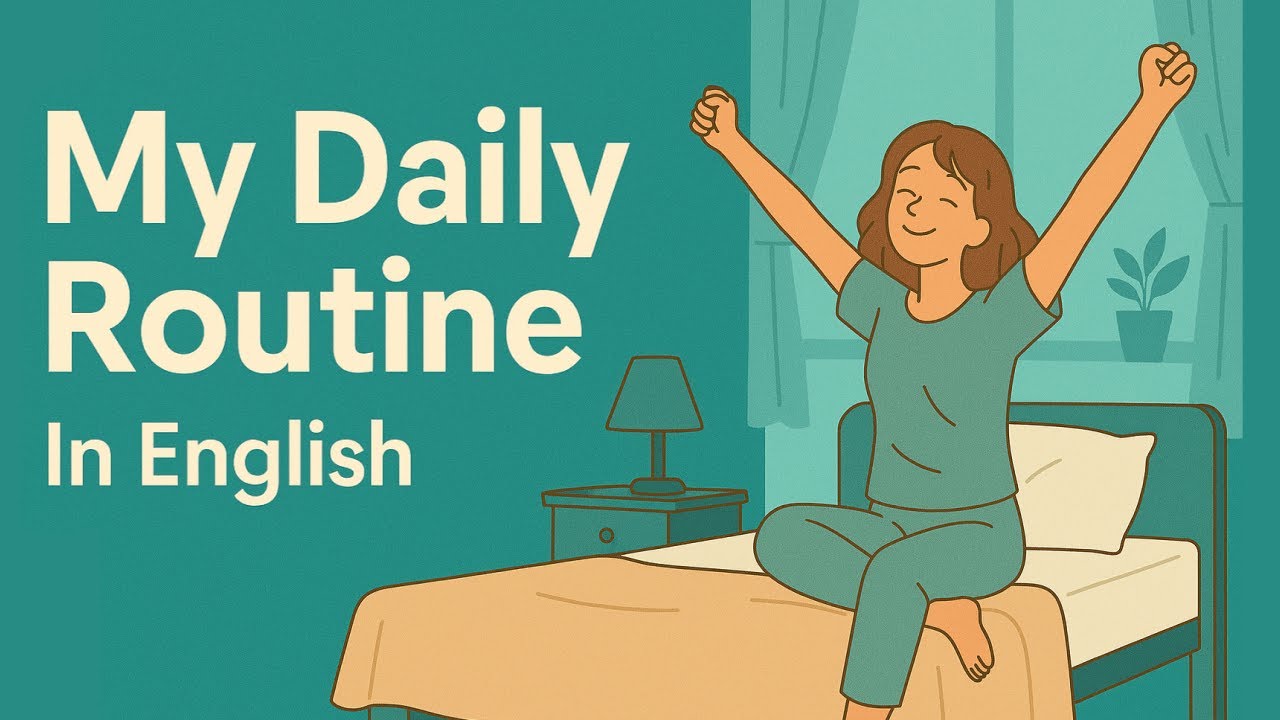 フレーズを聞いてから、声に出してみましょう
フレーズ 1
全文スクリプト
- Hello everyone and welcome back to Mr.みなさんこんにちは。ミスター・へようこそ0:08
- English Channel.イングリッシュ・チャンネルです0:12
- I'm Emily.エミリーです0:13
- And I'm Paul, so happy to be here with you all today.そしてポール。今日はみなさんと一緒にいられてとても嬉しいです0:14
- Yes, it's great to have you back with us.そうですね。皆さんが戻ってくれて本当に良かった0:18
- And today we have a super fun and helpful topic for all our English learners out there.今日は英語を勉強している皆さんのための、とても楽しくて役に立つトピックがあります0:21
- We're going to talk about something we all do every single day, our daily routine.誰もが毎日することについて話すんです。日課についてね0:27
- Oh, I love this topic.ああ、このトピック大好きです0:33
- It's so practical and full of everyday English.とても実用的で、日常英語がいっぱいです0:35
- Before we dive in, please, if you're enjoying our podcast, remember to subscribe to the channel, share this episode with your friends who are learning English and give us a始める前に、もしポッドキャストを楽しんでいたら、チャンネル登録を忘れずに。このエピソードを英語を勉強している友達とシェアして、そして0:39
- big thumbs up.高評価をください0:50
- It really helps us a lot.本当に私たちを助けてくれます0:51
262フレーズすべて表示 一部だけ表示
- Absolutely.その通りです0:54
- Your support means the world to us.皆さんのサポートは本当に大切です0:56
- So for today's episode, we have a special guest.では今日のエピソードのために、特別なゲストがいます0:58
- Well, not a real guest, but we're going to listen to the story of someone named Sarah.本当のゲストではないんですが、サラという名前の人の話を聞きます1:02
- She's going to tell us all about her daily routine.彼女が彼女の日課について全部教えてくれます1:07
- Ooh, I'm excited.ああ、楽しみです1:11
- We'll listen to Sarah's story and then Emily and I will chat about it, breaking down some of the English she uses and giving you some extra tips.サラの話を聞いて、その後エミリーと私はそれについて話し合います。彼女が使っている英語のいくつかを説明して、いくつかの追加のヒントを与えます1:14
- Exactly.その通りです1:24
- It'll be a relaxed chat, almost like we're just talking about our day.リラックスしたチャットになります。ほぼ私たちが日中について話しているのと同じような感じです1:25
- So without further ado, let's listen to Sarah's daily routine.では、これ以上言うまでもなく、サラの日課を聞きましょう1:30
- Hi, everyone.やあ、皆さん1:38
- My name is Sarah and I'm happy to share my daily routine with you.私の名前はサラで、日課を皆さんと共有できて嬉しいです1:40
- I usually get up at around six more in the morning.私は通常朝6時頃に起きます1:45
- The first thing I do is turn off my alarm and then I stretch in bed for a few minutes.最初にすることはアラームを切ること。その後ベッドの中で数分ストレッチをします1:48
- After that, I get out of bed and go to the bathroom to have a shower.その後、ベッドから出てシャワーを浴びるために浴室に行きます1:53
- After my shower, I dry myself and get dressed.シャワーの後、体を拭いて服を着ます1:59
- I usually choose comfortable clothes for the day.通常その日のために快適な服を選びます2:02
- Then I go downstairs to the kitchen and make breakfast.それからキッチンに降りて朝食を作ります2:06
- I usually have a bowl of oatmeal with fruit and a cup of tea.通常フルーツの入ったオートミールのボウルとお茶を飲みます2:09
- While I eat breakfast, I often read the news on my phone.朝食を食べている間、携帯電話でニュースを読むことが多いです2:13
- After breakfast, I wash the dishes and tidy up the kitchen.朝食の後、食器を洗ってキッチンを片付けます2:18
- Then I brush my teeth and put on a little makeup.その後、歯を磨いて、少しメイクをします2:23
- Around 7 .30 a .m., I leave the house to go to work.午前7時30分頃、仕事に行くために家を出ます2:27
- I usually take the bus, which takes about 30 minutes.通常バスに乗ります。これは約30分かかります2:32
- I arrive at work at 8 a .m.午前8時に仕事に到着します2:36
- and start working immediately.そしてすぐに仕事を始めます2:39
- I usually work on my computer and attend meetings throughout the morning.通常コンピューターで作業して、朝中会議に参加します2:41
- Around 12 o 'clock, I have lunch with my colleagues in the cafeteria.正午頃、カフェテリアで同僚と昼食をとります2:47
- We usually chat and relax during our lunch break.昼休み中にチャットしてリラックスすることが多いです2:52
- After lunch, I go back to work and continue my tasks until 5 o 'clock.昼食の後、仕事に戻って午後5時まで業務を続けます2:56
- When I finish work, I go back home by bus.仕事が終わったら、バスで家に帰ります3:02
- Sometimes, if the weather is nice, I walk home.時々天気が良い場合は、歩いて家に帰ります3:07
- When I get home, I usually feel tired, so I relax on the sofa for a while.家に帰ったとき、通常疲れるので、しばらくソファでリラックスします3:12
- Sometimes, my friend comes over and we talk or watch a movie.時々友達が来て、話したり映画を見たりします3:18
- Other times, I cook dinner for myself.その他の時に、自分のために夕食を調理します3:24
- I like to eat dinner around 7 .30 p .m.午後7時30分頃夕食を食べるのが好きです3:27
- After dinner, I usually wash the dishes again and then I might read a book or watch some TV.夕食の後、通常再び食器を洗って、本を読んだりテレビを見たりするかもしれません3:31
- Before bed, I always brush my teeth again and get ready for bed.寝る前に、いつも再び歯を磨いて就寝の準備をします3:39
- I usually go to bed around 10 or 10 .30 p .m.通常午後10時か10時30分頃就寝します3:43
- That's pretty much my daily routine.それが大体私の日課です3:47
- Wow, that was Sarah's day.ワオ、それはサラの一日でした3:54
- What a routine.どんなルーチンでしょう3:57
- Yeah, that's a busy day.ええ、忙しい一日ですね3:58
- I liked how she started, Hi everyone, my name is Sarah, and I'm happy to share my daily routine with you.彼女の始め方が好きでした。「やあ皆さん、私の名前はサラで、日課を皆さんと共有できて嬉しいです」4:01
- It's a nice, simple way to introduce yourself and what you're going to talk about.あなた自身と話すつもりのことを紹介する良い、シンプルな方法ですね4:09
- Very clear.とても明確です4:14
- Absolutely.その通りです4:15
- And then she immediately jumps into the morning, saying, I usually get up at around 6 in the morning.そして彼女はすぐに朝に入ります。「私は通常朝6時頃に起きます」と言ってね4:17
- This phrase, get up, is super common for waking up and getting out of bed.このフレーズ「get up」は、目覚めてベッドから出ることを表す、とても一般的な表現です。4:24
- We use it all the time.私たちはいつもこの表現を使います。4:30
- Right.そうですね。4:32
- And notice she says, at around 6.そして彼女が「around 6」と言うのに注意してください。4:33
- That around is useful.その「around」は便利な表現です。4:37
- It means not exactly 6, maybe 5 minutes before or 5 minutes after.正確に6時ではなく、その5分前か5分後くらいという意味です。4:39
- It's an approximation.それは概算ですね。4:46
- Good word to know.知っておくといい単語です。4:47
- Yes.はい。4:49
- And what's the very first thing she does?では、彼女が一番最初にすることは何でしょう?4:50
- The first thing I do is turn off my alarm.最初にすることはアラームを消すことです。4:52
- The alarm clock, that's a universal experience, isn't it?目覚まし時計、誰もが経験することですね。4:56
- Turn off means to make it stop, like turning off the light.「turn off」は、ライトを消すみたいに、止めるという意味です。5:00
- Yep, that noisy alarm.そう、あのうるさいアラーム。5:05
- And then she says, And then I stretch in bed for a few minutes.そして彼女が言うには「その後ベッドの中で数分間ストレッチをします」。5:07
- Oh, I love that.あ、いいですね。5:12
- Stretching is great.ストレッチっていいですね。5:14
- Stretch means to extend your body, make it long.「stretch」は、体を伸ばす、長くするという意味です。5:16
- It feels good.気持ちいいですね。5:20
- Yes, it does.そうですね。5:21
- And then after that, I get out of bed.そしてその後、ベッドから出ます。5:23
- So get up is waking up and get out of bed is physically leaving the bed.つまり「get up」は目覚めることで、「get out of bed」は実際にベッドから出ることです。5:27
- Two different but related actions.2つの異なるが関連のある動作ですね。5:34
- Exactly.その通りです。5:36
- And she goes to the bathroom to have a shower.そして彼女はシャワーを浴びるため、バスルームに向かいます。5:38
- We say have a shower or take a shower.「have a shower」または「take a shower」と言う言い方があります。5:41
- Both are correct and very common.どちらも正しくて、とても一般的です。5:44
- Okay, so after her shower, Sarah says, I dry myself and get dressed.では、シャワーの後、サラが言うのは「自分を乾かして、服を着ます」です。5:46
- So dry myself means to use a towel, right?つまり「dry myself」はタオルで拭く、という意味ですね?5:53
- And get dressed is to put on clothes.そして「get dressed」は服を着ることです。5:57
- Simple but important actions.シンプルだけど大切な行動ですね。6:00
- Yeah.そうです。6:03
- And she says, I usually choose comfortable clothes for the day.そして彼女が言うのは「普通、その日のために快適な服を選びます」です。6:03
- Good choice, Sarah.いい選択ですね、サラ。6:09
- Comfort is key.快適さが重要です。6:10
- Choose means to pick, to select and comfortable means feeling good, not tight, not itchy.「choose」は選ぶという意味で、「comfortable」は気持ちよい、きつくない、痒くないという意味です。6:12
- Definitely.もちろんです。6:19
- Then I go downstairs to the kitchen and make breakfast.では階下のキッチンに行って、朝食を作ります。6:20
- Go downstairs means going to a lower floor in a house and make breakfast is to prepare food for breakfast.「go downstairs」は家の下の階に行く、「make breakfast」は朝食を準備するという意味です。6:25
- You can also say, cook breakfast or prepare breakfast.朝食を作る、朝食を用意するとも言えます。6:34
- Oh, and her breakfast.あ、そして彼女の朝食についてですね。6:38
- I usually have a bowl of oatmeal with fruit and a cup of tea.普通はフルーツ入りのオートミールのボウルと、紅茶を飲みます。6:40
- Mmm sounds healthy.うーん、体にいいですね。6:45
- Have here means to eat or drink.ここで「have」は食べるか飲く、という意味ですね。6:47
- So you can have breakfast, have lunch, have dinner, and a bowl of oatmeal.だから「朝食を食べる」「昼食を食べる」「夕食を食べる」、そしてオートミールなどが言えますね。6:50
- Oatmeal is a type of hot cereal made from oats, very common breakfast food.オートミールは燕麦で作られたホットシリアルの一種で、とても一般的な朝食です。6:56
- Yes, very common.そう、とても一般的ですね。7:01
- And while I eat breakfast, I often read the news on my phone.そして朝食を食べながら、よく携帯電話でニュースを読みます。7:03
- While means at the same time.「while」は同時に、という意味です。7:08
- So eating and reading the news simultaneously.つまり、食べながらニュースを読むってことですね。7:11
- And on my phone, we often say on for electronic devices when we're using them for information, like on the internet, on my computer, after breakfast, she says, I wash携帯電話についても、情報を得るために電子機器を使うときに「on」をよく使います。「on the internet」「on my computer」のように。朝食の後、彼女は言う、「洗う」7:15
- the dishes and tidy up the kitchen.お皿を洗ってキッチンを片付けます。7:28
- Important chores.大事な家事ですね。7:32
- Wash the dishes is to clean the plates, cups, and forks.「wash the dishes」は、お皿、カップ、フォークなどをきれいにするという意味です。7:33
- And tidy up means to make a place neat and organized, like putting things back in their place.そして「tidy up」は、ものを元に戻すような、場所をきれいに整理されたものにするという意味です。7:37
- Yes, tidy up is a great phrase.そう、「tidy up」はいい表現ですね。7:44
- You can tidy up a room, tidy up your desk.部屋を片付けたり、机を整理したりできますね。7:47
- Then I brush my teeth and put on a little makeup.それから歯を磨いて、ちょっとメイクをします。7:50
- Brush my teeth is for oral hygiene.「brush my teeth」は口腔衛生のためですね。7:53
- Very important.とても大事です。7:55
- And put on makeup means to apply cosmetics to your face.そしてメイクをするというのは、顔に化粧品を塗ることです。7:57
- Right.そうですね。8:01
- And then around 730, I leave the house to go to work.そして7時30分頃、家を出て仕事に行きます。8:01
- So leave the house is to exit your home.だから家を出るというのは、家を離れることです。8:07
- And to go to work is her destination.そして仕事に行くというのは、彼女の行き先です。8:11
- And how does she get there?では、彼女はどうやって行きますか?8:14
- I usually take the bus, which takes about 30 minutes.通常、バスに乗ります。それで約30分かかります。8:16
- So take the bus means to use the bus as transport.だからバスに乗るというのは、移動手段としてバスを利用することです。8:21
- And takes about 30 minutes tells us the duration of the trip.そして約30分かかるというのは、その旅の所要時間を表しています。8:25
- Takes here is about time.ここでの「かかる」は時間についてです。8:31
- That's a good point, Paul.それはいい指摘ですね、ポール。8:34
- We often use take when talking about how long something lasts.何がどのくらいかかるか話すときに、takeをよく使います。8:35
- For example, the movie takes two hours.例えば、映画は2時間かかります。8:40
- So Sarah arrives at work.だからサラは仕事に到着します。8:43
- I arrive at work at eight and start working immediately.8時に仕事に到着して、すぐに働き始めます。8:45
- Arrived means to reach a place.到着するというのは、ある場所に着くことです。8:49
- And start working immediately means she begins her tasks right away with no delay.そしてすぐに働き始めるというのは、彼女が遅延なくすぐにタスクを開始することです。8:52
- Wow, she's very prompt.わあ、彼女は本当に素早いですね。8:57
- She is.そうです。8:59
- And she says, I usually work on my computer and attend meetings throughout the morning.そして彼女は言います。通常、パソコンで作業して、朝中会議に参加します。9:00
- So work on my computer means she uses her computer for work tasks.だからパソコンで作業するというのは、仕事のタスクのためにパソコンを使うことです。9:06
- And attend meetings means to go to and participate in meetings.そして会議に参加するというのは、会議に出席して参加することです。9:12
- Throughout the morning means all during the morning from beginning to end.朝中というのは、朝の始まりから終わりまでずっとという意味です。9:18
- Good phrase throughout.いい表現ですね、「朝中」。9:22
- And then around 12, I have lunch with my colleagues in the cafeteria.そして12時頃、カフェテリアで同僚と昼食をとります。9:25
- Again, have lunch meaning to eat lunch.もう一度、昼食をとるというのは、昼食を食べることです。9:30
- And colleagues are people you work with, your co -workers.そして同僚というのは、一緒に働く人たちです。9:33
- And a cafeteria is a place where you can buy and eat food, usually in a workplace or school.そしてカフェテリアは、食べ物を買ったり食べたりできる場所で、通常は職場や学校にあります。9:37
- Yes.はい。9:43
- And what do they do during lunch?では、昼食中に彼らは何をしますか?9:44
- We usually chat and relax during our lunch break.昼休みの間は、通常は話をしてリラックスします。9:47
- Chat means to talk in a friendly, informal way.チャットというのは、友好的でカジュアルに話すことです。9:51
- And relax means to rest and feel calm.そしてリラックスというのは、休んで落ち着くことです。9:55
- A lunch break is a period of time during the work day when you stop working to eat lunch.昼休みというのは、仕事中に仕事をやめて昼食を食べる時間のことです。9:59
- After lunch, I go back to work and continue my tasks until five.昼食後、仕事に戻って、5時まで私のタスクを続けます。10:05
- Go back to work means she returns to her job.仕事に戻るというのは、彼女が仕事に復帰することです。10:10
- And continue my tasks means she keeps doing her work responsibilities.そして私のタスクを続けるというのは、彼女が仕事を続けることです。10:13
- Tasks are duties or pieces of work that need to be done.タスクというのは、やらなければならない仕事や作業です。10:18
- And then when I finish work, I go back home by bus.そして仕事が終わったら、バスで家に帰ります。10:21
- Finish work means to complete your work for the day.仕事を終わらせるというのは、その日の仕事を終えることです。10:27
- And go back home is to return to your house.そして家に帰るというのは、家に戻ることです。10:30
- She still takes the bus.彼女はまだバスに乗ります。10:34
- Yes.はい。10:36
- But then she says, sometimes if the weather is nice, I walk home.しかし彼女は言います。時々天気が良いなら、歩いて家に帰ります。10:37
- Ah, a little change of pace.ああ、気分転換ですね。10:42
- If the weather is nice means if it's sunny and pleasant outside.天気が良いというのは、外が晴れていて気持ちいいことを意味します。10:44
- And walk home means she goes home on foot, not by bus.そして家まで歩くというのは、バスではなく、歩いて帰ることです。10:48
- That's a great option if the weather is good.天気が良い場合、それは素晴らしい選択肢ですね。10:53
- I like that.いいですね。10:55
- So when I get home, I usually feel tired.だから家に帰ったら、通常は疲れを感じます。10:56
- So I relax on the sofa for a while.だからソファでしばらくリラックスします。11:00
- Oh, I can relate to that.ああ、私もそうですね。11:04
- Get home means to arrive at her house.家に帰るというのは、彼女の家に着くことです。11:06
- And feel tired is how she feels sleepy without energy.そして疲れを感じるというのは、エネルギーがなく眠い感じです。11:09
- So she relax on the sofa.だから彼女はソファでリラックスします。11:14
- She rests on the couch for a while means for a short period of time.彼女がソファでしばらく休むというのは、短い時間という意味です。11:16
- Yep, that's me after work.ええ、仕事の後の私もそうです。11:23
- And then she has some social time.そして彼女は社交の時間を過ごします。11:25
- Sometimes my friend comes over and we talk or watch a movie.時々、友達が来ていっしょに話したり映画を見たりします。11:28
- Comes over means a friend visits her at her house.来るというのは、友達が彼女の家に訪ねてくることです。11:33
- And talk or watch a movie are common activities with friends.友達と話したり映画を見たりするのはよくある活動です。11:37
- Yes, very nice.ええ、とてもいいですね。11:42
- And other times, I cook dinner for myself.他の時は自分のために夕食を作ります。11:44
- So cook dinner means to prepare the evening meal.つまり「夕食を作る」というのは夜食を用意することです。11:48
- And for myself means she cooks only for her, no one else.「自分のために」というのは自分だけのために作る、他の誰のためでもなく。11:52
- She likes to eat dinner around 7 30.彼女は7時半頃に夕食を食べるのが好きです。11:58
- Again, around for an approximate time.もう一度言いますが、「頃」というのはおおよその時間を表します。12:02
- After dinner, I usually wash the dishes again.夕食の後、いつもお皿を洗います。12:05
- Ah, yes, the dishes again.ああ、そう、お皿ですね。12:09
- And then I might read a book or watch some TV might here means maybe it's a possibility.その後、本を読んだり、テレビを見たりするかもしれません。「かもしれない」というのは可能性があるという意味です。12:11
- So she might do one or the other or both.つまり、彼女は1つか別のものか両方をやるかもしれません。12:19
- Yes, might is a good word for possibilities.そう、「かもしれません」は可能性を表すいい言葉ですね。12:23
- And before bed, I always brush my teeth again and get ready for bed.寝る前に、歯をもう一度磨いて、寝る準備をします。12:26
- So another brushing of the teeth, good dental hygiene, Sarah, and get ready for bed means to prepare to go to sleep, like putting on pajamas.つまり、もう一度歯を磨くことですね。いい歯の衛生習慣ですね、サラ。「寝る準備をする」というのは眠る準備をすることです。パジャマを着るなど。12:33
- And finally, I usually go to bed around 10 or 10 30.そして最後に、いつも10時か10時半頃に寝ます。12:45
- Go to bed means to go to sleep.「寝る」というのは眠りに行くことです。12:50
- And she gives a range of times 10 or 10 30.彼女は10時か10時半の時間の幅を言っています。12:52
- And then that's pretty much my daily routine.そして、それで私の日々のルーティンはほぼ終わります。12:57
- Pretty much means almost mostly.「ほぼ」というのはほとんど、大体という意味です。13:00
- So that covers most of her typical day.つまり、彼女の典型的な1日のほとんどがカバーされています。13:04
- What a great summary of a day.ああ、1日のすばらしい要約ですね。13:07
- Sarah's routine is so clear.サラのルーティンは本当に明確です。13:09
- And she used so many common English phrases we use every single day.彼女は私たちが毎日使う多くの一般的な英語表現を使いました。13:12
- Agreed.同意です。13:16
- It's fantastic for learners because it's a real life example.学習者にとって素晴らしいです。実生活の例だからです。13:17
- We heard so many verbs related to actions.行動に関連する動詞をたくさん聞きました。13:21
- Get up, turn off, stretch, get out of bed, have a shower, dry myself, get dressed, go downstairs, make breakfast, wash the dishes, tidy up, brush my teeth, put on起きる、消す、伸びをする、ベッドから出る、シャワーを浴びる、体を拭く、服を着る、階段を下りる、朝食を作る、お皿を洗う、片付ける、歯を磨く、メイクをする13:24
- makeup, leave the house, take the bus, arrive at work, start working, attend meetings, have lunch, go back to work, finish work, get home, relax, comes over, talk, watch a、家を出る、バスに乗る、仕事に到着する、働き始める、会議に出席する、昼食を食べる、仕事に戻る、仕事を終わらせる、家に帰る、くつろぐ、友達が来る、話す、映画を見る13:37
- movie, cook dinner, read a book, get ready for bed, go to bed.、夕食を作る、本を読む、寝る準備をする、寝る。13:51
- That's a lot.たくさんありますね。13:58
- Phew, that's a lot.ふぅ、たくさんありますね。14:00
- But that's how we talk about our days.でも、それが私たちが自分たちの日々について話す方法です。14:01
- Now let's listen to Sarah's routine one more time.では、もう一度サラのルーティンを聞いてみましょう。14:04
- And this time, try to really focus on the words and phrases we just discussed.今回は、話し合った言葉とフレーズに本当に焦点を当ててみてください。14:07
- See if you can catch them.見つけられるか試してみてください。14:13
- Hi, everyone.こんにちは、皆さん。14:18
- My name is Sarah, and I'm happy to share my daily routine with you.私の名前はサラです。自分の日々のルーティンを皆さんと共有できて嬉しいです。14:20
- I usually get up at around six more in the morning.私は通常、朝6時頃に起きます。14:25
- The first thing I do is turn off my alarm and then I stretch in bed for a few minutes.最初にすることはアラームを消して、ベッドで数分間伸びをします。14:29
- After that, I get out of bed and go to the bathroom to have a shower.その後、ベッドから出てバスルームに行ってシャワーを浴びます。14:34
- After my shower, I dry myself and get dressed.シャワーの後、体を拭いて服を着ます。14:39
- I usually choose comfortable clothes for the day.その日のために通常、快適な服を選びます。14:43
- Then I go downstairs to the kitchen and make breakfast.その後、階段を下りてキッチンに行き、朝食を作ります。14:46
- I usually have a bowl of oatmeal with fruit and a cup of tea.通常、フルーツ入りのオートミールのボウルと紅茶のカップを食べます。14:50
- While I eat breakfast, I often read the news on my phone.朝食を食べている間、携帯電話でニュースを読むことがよくあります。14:54
- After breakfast, I wash the dishes and tidy up the kitchen.朝食の後、お皿を洗ってキッチンを片付けます。14:59
- Then I brush my teeth and put on a little makeup.それから歯を磨いて、少しメイクをします。15:03
- Around 7 30am, I leave the house to go to work.午前7時30分頃、仕事に行くために家を出ます。15:07
- I usually take the bus, which takes about 30 minutes.通常、バスに乗ります。所要時間は約30分です。15:12
- I arrive at work at 8am and start working immediately.午前8時に職場に到着して、すぐに働き始めます。15:17
- I usually work on my computer and attend meetings throughout the morning.通常、コンピュータで作業し、午前中ずっと会議に出席します。15:22
- Around 12 o 'clock, I have lunch with my colleagues in the cafeteria.午後12時頃、カフェテリアの同僚と一緒に昼食を食べます。15:27
- We usually chat and relax during our lunch break.昼食休憩中にチャットをしてくつろぎます。15:33
- After lunch, I go back to work and continue my tasks until 5 o 'clock.昼食の後、仕事に戻り、午後5時まで自分のタスクを続けます。15:37
- When I finish work, I go back home by bus.仕事を終わらせると、バスで家に戻ります。15:43
- Sometimes, if the weather is nice, I walk home.時々、天気が良ければ、歩いて家に帰ります。15:47
- When I get home, I usually feel tired, so I relax on the sofa for a while.家に帰ると、通常疲れを感じるので、ソファでしばらくくつろぎます。15:51
- Sometimes, my friend comes over and we talk or watch a movie.時々、友達が来て、話したり映画を見たりします。15:59
- Other times, I cook dinner for myself.他の時は、自分のために夕食を作ります。16:05
- I like to eat dinner around 7 30pm.午後7時30分頃に夕食を食べるのが好きです。16:08
- After dinner, I usually wash the dishes again, and then I might read a book or watch some TV.夕食の後は、またお皿を洗って、その後本を読んだりテレビを見たりすることもあります。16:12
- Before bed, I always brush my teeth again.寝る前に、いつも歯を磨きます。16:19
- I usually go to bed around 10 or 10 30pm.大体夜10時か10時30分くらいに寝ます。16:22
- That's pretty much my daily routine.これが私の日常生活ですね。16:27
- And that was Sarah's daily routine.これがサラの日常生活でした。16:34
- We hope listening to it twice and hearing our explanation helped you understand it even better.2回聞いて説明を聞くことで、よりよく理解できたら幸いです。16:38
- Yes, daily routines are a fantastic way to practice your English because they involve so many common verbs and actions.そうですね、日常生活は多くの一般的な動詞や行動が含まれているため、英語を練習するのに最適な方法です。16:44
- Try talking about your own routine.自分のルーティンについて話してみてください。16:53
- Absolutely.その通りです。16:56
- We encourage you to try describing your own day, just like Sarah did.サラのように、自分の1日について説明してみてください。16:57
- Use the words and phrases you learned today.今日学んだ単語やフレーズを使ってください。17:02
- And before we go, please remember to subscribe to Mr.では、その前にミスターの購読を忘れないでください。17:05
- English Channel, share this episode with anyone learning English, and leave us a comment below.英語チャンネルをシェアして、英語を学んでいる人とこのエピソードを共有し、下にコメントを残してください。17:09
- Tell us one thing you do every day that makes you happy.毎日あなたを幸せにすることを1つ教えてください。17:15
- That's a great idea, Paul.いいアイデアですね、ポール。17:19
- We'd love to hear from you.ぜひあなたのお話を聞かせてください。17:21
- Thank you so much for joining us today on Mr.今日ミスターで参加していただきありがとうございました。17:23
- English Channel.英語チャンネル。17:26
- See you next time.また次回お会いしましょう。17:27
- Keep practicing your English.英語の練習を続けてください。17:29
- Bye -bye.さようなら。17:31
- Bye, everyone.さようなら、皆さん。17:31
このクリップの計測値
- 話速
- 1分あたり171語 — カタログの35%より速い
- CEFRレベル
- A2
- 覚えておきたい単語
- approximation, verbs, approximate, podcast, subscribe, prompt