シャドーイング練習:Linking Words for IELTS Speaking
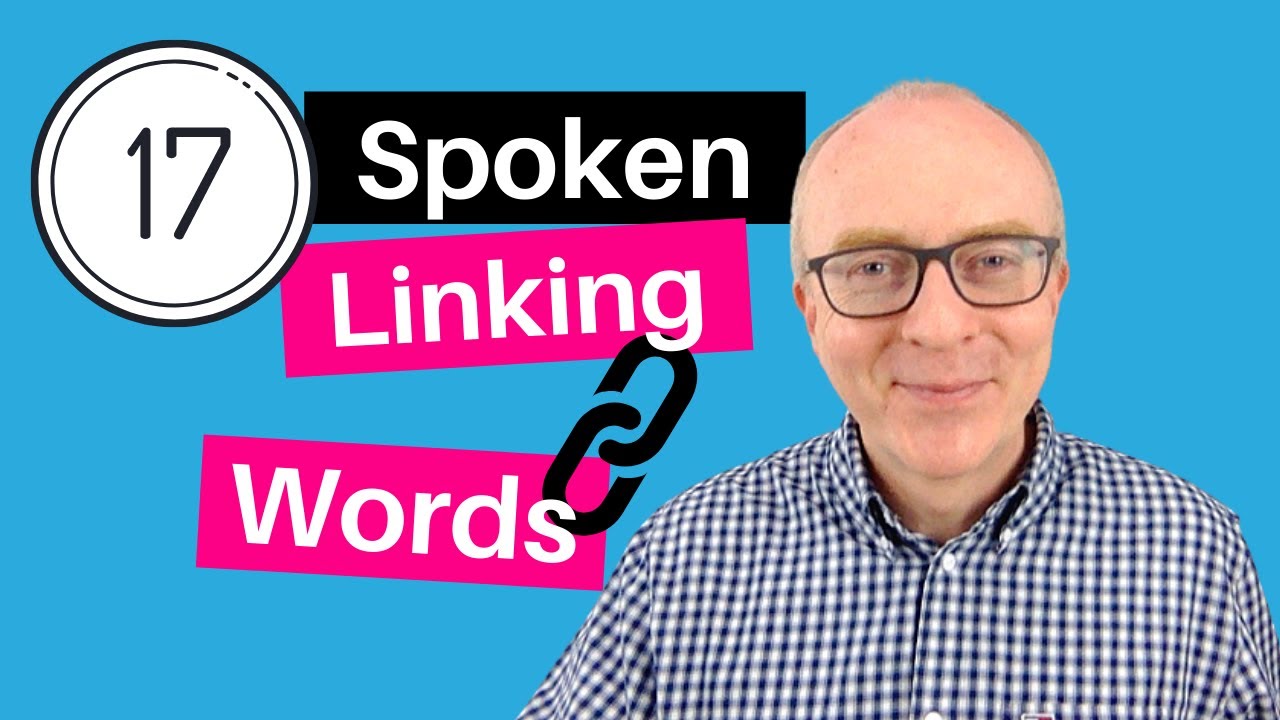 フレーズを聞いてから、声に出してみましょう
フレーズ 1
全文スクリプト
- Ladies and Gentlemen, first and foremost, I will write ______ furthermore, I must say that ______ nevertheless, ______ thus it can be concluded that ______ thank you and good night.皆様、まず第一に、______を書きます。さらに、______と言わなければなりません。それでも、______結論として言えるのは______ありがとうございました、おやすみなさい。0:00
- Now, those are nice linking words for formal speeches and written academic English, but when it comes to IELTS speaking, you need natural spoken linking words.さて、それらはフォーマルなスピーチや学術的な英語に適した良い接続詞ですが、IELTSのスピーキングになると、自然な話し言葉の接続詞が必要です。0:35
- So let's learn some and start practicing.では、いくつか学んで練習を始めましょう。0:49
- So did you know that linking words are an important part of fluency, right?ご存知でしたか、接続詞は流暢さの重要な部分なのです。1:03
- They also help you sound more natural when speaking.それらはまた、話すときにより自然な音に聞こえるのを助けます。1:08
- Why is that important?それはなぜ重要なのですか?1:13
- It's important because sounding natural is the key to IELTS speaking.自然な話し方がIELTSスピーキングの鍵だからこそ、それは重要です。1:15
- Whoops, I think I just let the cat out of the bag.あ、言ってしまいました。1:21
- That's the big secret.それが大きな秘密です。1:26
- Sounding natural is the key to IELTS speaking.自然な話し方がIELTSスピーキングの鍵です。1:28
- Don't tell anybody else just between you and me, okay?誰にも言わないでください、ここだけの話ですよ。1:32
- Also, sounding natural is important, right?また、自然に聞こえることが重要ですね。1:38
281フレーズすべて表示 一部だけ表示
- Because I don't want you to just be an English student, right?あなたが単なる英語学生であってほしくないからです。1:42
- I want you to become an English speaker.あなたが英語話者になってほしいのです。1:48
- There's a big difference, right?大きな違いがありますね。1:52
- An English student will study lots of words and vocabulary.英語学生は多くの単語と語彙を勉強します。1:54
- An English speaker practices lots to build up fluency and sound more natural over time.英語話者は流暢さを高め、時間をかけてより自然に聞こえるようにたくさん練習します。1:58
- That's what I want for you.それがあなたのために私が望んでいることです。2:06
- If that's what you want to, then stay with me.もしそれがあなたが望んでいることなら、私と一緒にいてください。2:09
- So in this video, I'm going to explain what linking words are and I will show you lots of spoken linking words that you can use in your IELTS speaking.このビデオでは、接続詞が何であるかを説明し、IELTSスピーキングで使用できるたくさんの話し言葉の接続詞をお見せします。2:13
- Let's get this show on the road.さあ、始めましょう。2:23
- So what are linking words?では、接続詞とは何ですか?2:29
- Basically, they are like the glue that stick your sentences together.基本的に、それらはあなたの文をくっつける接着剤のようなものです。2:33
- As simple as that, okay?以上のことです、いいですね?2:39
- They help you connect your sentences and ideas effectively so that other people can understand you clearly.それらはあなたの文と考えを効果的に結びつけるのを助け、他の人があなたを明確に理解できるようにします。2:41
- Of course, those other people include the IELTS examiner.もちろん、その他の人にはIELTS試験官も含まれます。2:50
- So they're really important to help him or her follow you, right?ですから、彼または彼女があなたについていくのを助けるためには、本当に重要ですね。2:54
- They are also known as connectors or cohesive devices.それらはまた、コネクタまたはコヒージョンデバイスとしても知られています。2:59
- You may notice in the band descriptors, they talk about cohesive devices.バンド記述子を見ると、コヒージョンデバイスについて話しているのに気づくかもしれません。3:04
- But for this video, we will just call them linking words.しかしこのビデオでは、私たちはそれらを接続詞と呼ぶだけです。3:09
- Now, the reason I mentioned written linking words at the start of this video is that one of the biggest mistakes students make is that in IELTS speaking, they useここで、このビデオの開始時に書き言葉の接続詞について言及した理由は、学生が犯す最大の間違いの一つは、IELTSスピーキングで彼らが使用する。3:14
- written linking words that just don't sound right at all.書き言葉の接続詞は全く正しく聞こえません。3:26
- Words like nevertheless.「それでも」のような言葉。3:33
- Furthermore, it can be concluded that which just don't sound like spoken connectors at all, right?「さらに、結論として言えるのは」というのは、全く話し言葉のコネクタのように聞こえませんね。3:36
- In IELTS speaking, you need to use spoken linking words.IELTSスピーキングでは、話し言葉の接続詞を使う必要があります。3:45
- Now, don't worry too much, okay?さて、心配しすぎないでください、いいですね?3:50
- Because the majority of linking words can be used in both writing and speaking.接続詞の大多数は、書き言葉と話し言葉の両方で使用できるからです。3:52
- But there are some which are just written linking words and some are just spoken linking words.しかし、書き言葉の接続詞だけのものもあり、話し言葉の接続詞だけのものもあります。3:58
- So today, we're going to look at those that are just spoken linking words.ですから今日は、話し言葉の接続詞だけのものを見ていきます。4:06
- Before we get into those linking words today, I'm very happy to let you know that today's video is sponsored by Woodpecker Learning.今日の接続詞に入る前に、今日のビデオがWoodpecker Learningによってスポンサーされていることをお知らせすることができて、非常に嬉しいです。4:11
- Woodpecker Learning is a fantastic, free video player mobile app built for English learners who want to become English speakers just like you.Woodpecker Learningは、あなたのような英語話者になりたい英語学習者のために構築された、素晴らしい、無料のビデオプレーヤーモバイルアプリです。4:20
- I love it because it makes learning fun and you can learn easily whilst watching things that you enjoy.学習を楽しくし、楽しみながら学ぶことができるので、私はそれが大好きです。4:32
- It has over 300 ,000 videos in English, all together in one place and all with subtitles and you can look up words in the subtitles within the app.英語で30万本以上のビデオがあり、すべて1つの場所に集められており、すべて字幕付きで、アプリ内の字幕で単語を調べることができます。4:39
- Brilliant.素晴らしい。4:54
- I'm going to tell you more about that soon but you can download it for free from the links below.すぐにそれについてもっと教えますが、以下のリンクから無料でダウンロードできます。4:55
- Right now, let's get into those linking words.では今、接続詞に入りましょう。5:00
- Now then, for all of the linking words today, I'm going to take a topic.では、今日のすべての接続詞について、私はテーマを取ります。5:04
- I've chosen a random topic.ランダムなテーマを選びました。5:08
- It's actually one of my favorite topics.実は、私のお気に入りのテーマの一つです。5:10
- It's food and healthy eating.食べ物と健康的な食事です。5:13
- Okay, I'm going to take some questions that I've just made up.では、今作った質問をいくつか取り上げます。5:15
- These are not IELTS questions.これらはIELTSの質問ではありません。5:18
- There are just typical questions you would find in a conversation about healthy eating but the important thing is the linking words you will learn can be used for any健康的な食事についての会話で見られる典型的な質問にすぎませんが、重要なのはあなたが学ぶ接続詞がどんなトピックにでも使用できるということです。5:21
- topic and to answer any question.どんな質問に答えるためにも。5:32
- Okay, first of all, linking words meaning firstly.では、まず第一に、接続詞の意味は「最初に」です。5:35
- We're going to look at firstly to kick off, first off and from the outset or at the outset.「最初に」「始めに」「最初から」または「最初から」を見ていきます。5:44
- Let's take a question and look at different possible answers you could give using these linking words.質問を取り上げ、これらの接続詞を使って与えることができるさまざまな可能な答えを見てみましょう。5:52
- Is it a good idea to always eat healthy food?常に健康的な食べ物を食べるのは良い考えですか?6:00
- Yes, it is.はい、そうです。6:05
- Firstly, it helps us feel better but it can also help us live longer.第一に、それは私たちをより良く感じるのを助けますが、また私たちがより長く生きるのを助けることもできます。6:07
- Right, that's quite simple or we can say, yes, I'd say so.ですね、これはかなりシンプルです。あるいは、そう思いますとも言えます。6:12
- To kick off, a healthy diet helps us feel better and it can also help us live longer.まず、健康的な食事は気分を良くしますし、寿命も延ばせます。6:19
- Right, nice.はい、いいですね。6:27
- So we've got yes, I'd say so instead of yes, I think so.ですから、「はいそう思います」を「はいそう考えます」の代わりに使えます。6:29
- Nice change.いい変わり方ですね。6:34
- To kick off, link kick off, to kick off meaning to begin or to start with.まず「kick off」という表現。「kick off」は始める、最初に使うという意味です。6:35
- Right, to start with to kick off.はい、最初に。つまり「kick off」です。6:42
- A healthy diet helps us feel better and da da da da da.健康的な食事は気分を良くしますし、ダダダダダ。6:44
- Nice.いいですね。6:49
- Or first off, I'm inclined to agree but it depends on the situation.あるいは、まず同意したいですが、状況によります。6:50
- So here, first off, again, there's a linking first off with a D not a T but a D.では、「first off」、繰り返しですが、リンク「first off」はTではなくDで発音します。6:59
- First off, just means to begin with or to start with.「First off」は単に最初に、または最初に始めるという意味です。7:06
- First off, I'm inclined to agree.まず、同意したい気がします。7:11
- That's a nice expression.これはいい表現ですね。7:14
- Right, I tend to agree.はい、同意する傾向があります。7:16
- I more or less agree.だいたい同意します。7:18
- I'm inclined to agree.同意したい気がします。7:20
- Nice.いいですね。7:23
- Or from the outset, I'd say yes, it is but eating healthy food all the time can also be a tall order sometimes.あるいは、最初から、はいそうですと言いますが、いつも健康的な食べ物を食べるのは時々大変なこともあります。7:24
- Right, from the outset.はい、最初からですね。7:35
- Right, again, meaning from the beginning.はい、繰り返しですが、最初からという意味です。7:38
- From the outset, you can also say at the outset, both are okay.最初から。「at the outset」とも言えます。どちらでもいいです。7:40
- I'd say again, I'd say yes, it is.繰り返しですが、はいそうですと言います。7:47
- It can also be a tall order.それは大変なこともあります。7:50
- If you've watched the video last week, you'll know what that means.先週のビデオを見ていたら、その意味がわかるでしょう。7:52
- Right, difficult, a tall order.はい、難しい。つまり大変なことですね。7:56
- Great.素晴らしい。7:59
- These are different linking words to say firstly.これらは「最初に」と言うための異なるリンク単語です。8:00
- And now linking words meaning also.そして今、「また」という意味のリンク単語です。8:08
- We're going to look at also on top of that, what's more, and come to think of it.「また」「その上」「さらに」「そう言えば」を見ていきます。8:12
- And the question is, what are the benefits of eating healthy food?そして質問は、健康的な食べ物を食べることの利点は何ですか?8:19
- On the one hand, you feel better and also you can live longer.一方では、気分が良くなります。また、寿命も延ばせます。8:26
- Straightforward, right?シンプルですね?8:32
- Notice with also, you can also say and also, also or and also, it's fine.「also」では、「and also」とも言えます。「also」でも「and also」でもいいです。8:33
- Or, well, obviously, you feel better.あるいは、当然ですが、気分が良くなります。8:43
- On top of that, you have more energy to spend time with family and friends.その上に、家族や友人と時間を過ごすためにもっとエネルギーがあります。8:47
- Very nice, right?とてもいいですね?8:53
- On top of that, right?その上に、ですね?8:55
- Very similar to in addition.「in addition」と非常に似ています。8:57
- You can also use in addition when you're speaking, right?話すときも「in addition」を使えます、ですね?8:59
- As well as writing and speaking.書くときと話すときの両方で。9:03
- But on top of that, it's just a little bit more colloquial and shows your control of natural English.でも「on top of that」はもう少しこなれた表現で、自然な英語の使い方を示しています。9:04
- On top of that, top of there's a linking again on top of that and try and get the chunk, right?その上に、「top of」、ここにリンク「on top of that」があります。チャンクを言ってみましょう、ですね?9:12
- Don't say on top of that.「on top of that」とは言わないでください。9:20
- No, get the chunk, right?いいえ、チャンクを言いましょう、ですね?9:22
- The piece on top of that, on top of that.その上の部分、その上の部分9:25
- Try.やってみましょう。9:28
- On top of that, that's it.その上に、それです。9:30
- Nice.いいですね。9:34
- Great.素晴らしい。9:34
- Good.いいですね。9:35
- Or, well, obviously, you feel better and come to think of it.あるいは、当然ですが、気分が良くなります。そう言えば。9:36
- It's a now this is a lovely linking word, linking phrase, actually, right?これはね、素敵なリンク単語です。リンク・フレーズですね。本当そうですね?9:43
- And come to think of it.そして、そう言えば。9:48
- We use this when you want to add something you have just thought of or just remembered as you're speaking, right?これは話しているときに思いついたか、思い出したことを加えたいときに使います。ですね?9:50
- And come to think of it.そして、そう言えば。9:59
- It's quite tricky.なかなかトリッキーですね。10:01
- And again, you want to get the chunk, right?そしてもう一度、チャンクを言いたいですね?10:03
- Say it as one piece, right?1つのまとまりとして言いましょう、ですね?10:06
- And come to think of it.そして、そう言えば。10:08
- Try this with me, right?私と一緒にやってみましょう、ね?10:10
- Just repeat with me.ただ私の後に繰り返してください。10:12
- Vit, a bit, covet, think of it.ヴィット、ア・ビット、カヴェット、シンク・オヴ・イット。10:15
- To think of it.考えてみると10:22
- Come to think of it.よく考えると10:25
- And come to think of it.アンド・カム・トゥ・シンク・オヴ・イット。10:28
- Very nice.非常に良いです。10:32
- The and becomes an, right?ザ・アンドはアンになりますね?10:33
- And come to think of it.アンド・カム・トゥ・シンク・オヴ・イット。10:36
- That chunk is really nice to practice.そのチャンクは練習するのに本当に良いですね。10:38
- Great.素晴らしい。10:41
- So let me ask you then, what are the benefits of eating healthy food?では質問させてください。健康的な食べ物を食べることのメリットは何ですか?10:43
- That's lovely.それは素敵ですね。10:59
- Remember, the secret is in the practice.覚えておいてください。秘訣は練習にあります。11:01
- Keep practicing.練習を続けてください。11:03
- Let's move on.次へ進みましょう。11:05
- Next, linking words, meaning, but, and we're going to be looking at but, mind you, but at the same time, that said, and here's the question.次に、接続詞、意味は「しかし」で、「mind you」「but at the same time」「that said」などを見ていきます。質問がここにあります。11:10
- Do you eat healthy food?健康的な食べ物を食べていますか?11:24
- Yes, I do.はい、食べています。11:28
- But I must admit, I don't eat healthy food every day.でも正直に言うと、毎日は健康的な食べ物を食べていません。11:29
- Right?ね?11:34
- Yes, I do.はい、食べています。11:35
- But, and then we're giving a contrast, right?でも、それから対比を示していますね?11:35
- I must admit, that's a nice expression.正直に言うと、これは良い表現ですね。11:38
- It's like, I must tell you the truth or to tell you the truth or to be honest, I must admit, I don't eat healthy food every day.それは「真実を言わなければならない」「正直に」「正直に言うと、毎日は健康的な食べ物を食べていません」という意味です。11:41
- Or yes, I do.または「はい、食べています」。11:52
- Mind you, it's not always that easy.ただし、いつも簡単ではありません。11:54
- So I don't manage to eat healthy food every day.だから毎日健康的な食べ物を食べられていません。11:57
- Yes, I do.はい、食べています。12:01
- Mind you is just very similar to but, and it makes what you said before less strong.「Mind you」は「but」によく似ていて、前に言ったことを弱くします。12:03
- Right?ね?12:10
- I said, yes, I do.「はい、食べています」と言いました。12:11
- Mind you, then I'm telling the listener I'm going to contradict or say something opposing what I just said.「Mind you」の後、聞き手に対して、今言ったことと反対のことを言うつもりだと伝えています。12:12
- Or, well, I try to, but at the same time, I must confess, I don't eat healthy food every day.または「まあ、やってみていますが、同時に、認めざるを得ませんが、毎日は健康的な食べ物を食べていません」。12:21
- Right?ね?12:30
- This is a nice expression.これは良い表現です。12:30
- I try to, but at the same time, but at the same time, just meaning but, right?「やってみていますが、同時に」「同時に」は単に「しかし」を意味します、ね?12:32
- Try and get the chunk, but at the same time, but at the same time, if you like your American accent, but at the same time, but at, but at,チャンクを練習してください。「but at the same time」「but at the same time」アメリカンアクセントが好きなら「but at the same time」「but at」「but at」。12:39
- but at the same time, try, but at the same time.でも同時に、でも同時に12:47
- Yeah, nice.そうですね、いいですね12:55
- If you can get the chunk, that will help your fluency.フレーズを習得できれば、流暢性が高まります12:57
- I must confess, I don't eat.正直に言うと、食べません13:00
- I must confess is the same as I must admit.「I must confess」は「I must admit」と同じ意味です。13:03
- But notice must admit must the T becomes a D sound, because we're linking to admit must that admit, but must confess the T disappears because there's a consonant inでも admit の T が D の音になることに注意して、なぜなら admit にリンクするから、でも confess の T は消えます、子音が前にあるから13:06
- con confess.con confess13:22
- I must confess.正直に言うと13:23
- Right?ね?13:25
- But nice expressions.でも良い表現です。13:26
- Finally, yes, I do.最後に、「はい、食べています」。13:29
- That said, it can be a real struggle if you're eating out with friends.ただし、友達と外で食べている時は本当に大変なことがあります。13:31
- So no, I don't eat healthy food every day.だからいいえ、毎日は健康的な食べ物を食べていません。13:36
- Okay.わかりました。13:40
- Again, with the same meaning.また、同じ意味です。13:41
- Yes, I do.はい、食べています。13:43
- That said, so I'm going to now make what I said less strong.ただし、これからは前に言ったことを弱くするつもりです。13:44
- Lovely.素敵ですね。13:51
- It can be a real struggle.それは本当に大変なことですね。13:52
- Remember that expression from one of the other videos about adjectives for difficult?困難を表す形容詞についての他のビデオからのその表現を覚えていますか?13:54
- Yeah, it can be a real struggle.そう、本当に大変なことですね。13:59
- Nice.いいですね。14:02
- Let's move on.次に進みましょう。14:03
- Now, just before we continue with the remaining linking words, a small point, right?では、残りの接続詞に進む前に、ちょっと説明したいことがあります。14:04
- One of the challenges of learning new linking words or phrases is knowing when and how to use them.新しい接続詞や表現を学ぶ際の課題の一つは、いつ、どのように使うかを知ることです。14:11
- It's really difficult, right?本当に難しいですよね。14:20
- But the best way is to see them or hear them in lots of different contexts.でも最も良い方法は、様々な文脈でそれらを見たり、聞いたりすることです。14:22
- So this video is a great start, but it is just that it's a start.ですから、このビデオは素晴らしい開始ですが、あくまで始まりに過ぎません。14:28
- And that's why, actually, I think it's great that Woodpecker are sponsoring this video because the Woodpecker mobile app has access to thousands of videos where you can see linking実は、このビデオをウッドペッカーがスポンサーしているのが素晴らしいと思う理由は、ウッドペッカーのモバイルアプリが、接続詞を14:34
- words in action, right?実際に使う単語、ですよね14:45
- Especially if you look for talks like Ted talks, chat shows, conversations, you'll be able to see and hear these linking words.特にテッドトークのような講演、トークショー、会話などを探すなら、これらの接続詞を見て、聞くことができます。14:47
- A very quick example.非常に簡単な例です。14:59
- Let me show you one here.ここで一つ見せてみましょう。15:01
- Here is a video.ここにビデオがあります。15:02
- It's an example of a Ted talk where we can see down below the subtitles.これはテッドトークの例で、下に字幕が見えます。15:03
- So I would like to start by telling you about one of my greatest friends.ですから、私の最高の友人の一人についての話から始めたいと思います。15:11
- Great.素晴らしい。15:17
- So I would like to start.ですから、始めたいと思います。15:17
- You can see straight away there, we've got a linking to begin, right?すぐにわかるように、「始める」という接続詞が見えますよね。15:19
- Great for starting a part two answer.2番目の答えを開始するのに最適です。15:23
- I would like to start.始めたいと思います。15:26
- I'd like to start.始めたいです。15:28
- I'd like to start.始めたいです。15:29
- I'd like to start.始めたいです。15:31
- So what I'm doing here is I can stop and repeat that chunk again and again.ですから、ここで私ができることは、そのチャンクを何度も止めて繰り返すことです。15:33
- So I can practice the pronunciation and get it fluently as a chunk, which is great.ですから、発音を練習し、チャンクとして流暢に言えるようにできます。15:38
- And then if there are words that I don't understand, I can add them to my dictionary, get the definition.そして、わからない単語があれば、それを辞書に追加して、定義を得ることができます。15:44
- And then I have lists of words that are new words that I may want to review later.そして、後で復習したいかもしれない新しい単語のリストがあります。15:52
- Fantastic.素晴らしい。15:56
- So a great tool to be learning and practicing new linking words.ですから、新しい接続詞を学び、練習するための素晴らしいツールです。15:58
- Let's carry on with some more linking words.もっと接続詞を見ていきましょう。16:02
- Next, linking words, meaning to be honest, we're going to be looking at to be honest, quite honestly, to be totally upfront.次に、「正直に言うと」という意味の接続詞を見ます。「正直に言うと」「かなり正直に」「まったく率直に」です。16:10
- And the question is, do you sometimes eat fast food?そして、質問は「たまにファストフードを食べますか?」です。16:20
- To be honest, I don't like fast food very much, though I might eat it with friends once in a while.正直に言うと、私はファストフードをあまり好きではありませんが、友人と時々食べることがあります。16:25
- Nice.いいですね。16:33
- Or you could say quite honestly, I'm not particularly fond of fast food.または、「かなり正直に言うと、私はファストフードがあまり好きではありません」と言うことができます。16:35
- Mind you, I might eat it with friends once in a while.ただし、友人と時々食べることがあります。16:40
- Okay, the same meaning, right?わかりました、同じ意味ですよね。16:45
- Exactly the same.まったく同じです。16:48
- Notice the expression, I'm not particularly fond of.「~があまり好きではない」という表現に注目してください。16:49
- That's nice.いいですね。16:53
- I'm not fond of.~が好きではない。16:54
- I'm not particularly not very.特に~ない、あまり~ない。16:56
- I'm not particularly fond of something, right?「~が特に好きではない」ですよね。16:59
- Eat it once in a while every now and then sometimes.時々食べる、時々、たまに。17:03
- Or you can say to be totally upfront, I don't like fast food very much.またはまったく率直に「私はファストフードをあまり好きではありません」と言うことができます。17:07
- But that said, I might eat it with friends once in a while.しかし、そうは言っても、友人と時々食べることがあります。17:14
- The same meaning, right?同じ意味ですよね。17:19
- Great.素晴らしい。17:21
- Let's move on.次に進みましょう。17:22
- Finally, we're looking at the linking words, meaning in summary, which by the way is a very written linking phrase in summary, we wouldn't say that.最後に、「要するに」という意味の接続詞を見ます。ちなみに「要するに」はとても書き言葉の接続詞で、そう言うことはありません。17:28
- Here we're going to look at overall in a nutshell.ここでは「全体的に」「簡潔に言うと」を見ていきます。17:38
- Basically, here's the question.基本的に、ここが質問です。17:42
- Do you sometimes eat fast food?たまにファストフードを食べますか?17:46
- I might if I'm with friends, but not if I'm alone.友人と一緒にいれば食べるかもしれませんが、一人なら食べません。17:49
- Overall, I don't like fast food that much.全体的に、私はファストフードをあまり好きではありません。17:53
- Lovely.いいですね。17:58
- Or you could say, I might if I'm with friends, but not if I'm alone.または「友人と一緒にいれば食べるかもしれませんが、一人なら食べません」と言うことができます。17:59
- In a nutshell, I don't like fast food that much.簡潔に言うと、私はファストフードをあまり好きではありません。18:05
- Right?ですよね?18:09
- Same meaning.同じ意味です。18:10
- Or I might if I'm with friends, but not if I'm alone.またはもし友人と一緒にいれば食べるかもしれませんが、一人なら食べません。18:11
- Basically, I don't like fast food that much.基本的に、ファーストフードはあまり好きじゃない。18:16
- Right?ですね?18:20
- All of these meaning the same, exactly the same.これらはすべて同じ意味で、全く一緒です。18:21
- But what about you then?でも、あなたはどうですか?18:25
- Do you sometimes eat fast food?時々ファーストフード食べますか?18:26
- That's very interesting.それは非常に興味深い。18:40
- Excellent.素晴らしい。18:42
- Great.素晴らしい。18:43
- Moving on.では次に進みます。18:44
- Great.素晴らしい。18:46
- So we've seen lots of spoken linking words today.では、今日たくさんの話し言葉のリンク単語を見てきました。18:46
- We've looked at synonyms for firstly, but also to be honest, in summary.「最初に」の同義語を見てきましたが、「正直に」「要するに」も見てきました。18:50
- And I hope you can see how important they are to make yourself clear, to help the examiner understand you and to build your fluency.そして、これらがいかに重要かをご理解いただけることを願っています。明確に表現し、試験官に理解してもらい、流暢さを高めるために。18:57
- The key is in the practice.重要なのは練習です。19:06
- Start practicing in your spoken conversations and in your IELTS answers.会話やIELTS回答で練習し始めてください。19:08
- And really try to focus on the chunk.そして、本当にこのフレーズに焦点を当ててください。19:13
- Right?ですね?19:16
- Try and make the linking word or phrase into one chunk or one sound.リンク単語またはフレーズを1つのまとまりや1つの音にしてみてください。19:16
- And that helps you with your fluency.そしてそれがあなたの流暢さを助けます。19:22
- I really do hope that all of this not only helps you become a better English student, but actually a better English speaker, sounding more natural as you build upすべてのことがあなたをより良い英語学習者になるのを助けるだけでなく、実際により良い英語話者になり、より自然に聞こえるようになることを本当に願っています。19:24
- fluency and confidence.流暢さと自信を高めてください。19:36
- A big thank you again to Woodpecker Learning for sponsoring this video.このビデオをスポンサーしてくれたWoodpecker Learningに本当にありがとうございます。19:38
- You can download the app.アプリをダウンロードできます。19:43
- It's the links are down below.リンクは下にあります。19:45
- It's for free.無料です。19:47
- And just notice as you start watching lots and lots more videos, you'll start to notice these linking words.そして、もっとたくさんのビデオを見始めると、これらのリンク単語に気づき始めるだけです。19:49
- Start noticing them.気づき始めてください。19:58
- Start trying to practice them.練習し始めてください。19:59
- And if you ever struggle to understand a word with Woodpecker, just press the word in the captions and you get the definition.そして、Woodpeckerで単語を理解するのに困ったら、字幕の単語を押すだけで定義が表示されます。20:01
- Excellent.素晴らしい。20:10
- What a fantastic learning app.何という素晴らしい学習アプリでしょう。20:11
- Thank you very much guys at Woodpecker Learning.Woodpecker Learningのみなさん、本当にありがとうございます。20:13
- And thank you to all of you for watching me and for following me.そして、すべての皆さんが私を見てくれて、フォローしてくれてありがとうございます。20:15
- I really do appreciate it.本当にありがたいです。20:19
- Please do remember, subscribe, turn on the notifications and leave me a comment.ぜひ忘れずに、購読して、通知をオンにしてコメントを残してください。20:20
- Right?ですね?20:26
- Tell me what are you watching on Woodpecker Learning and which linking word have you noticed recently?Woodpecker Learningで何を見ていますか、最近どのリンク単語に気づきましたか教えてください。20:27
- That's it.これでおしまいです。20:36
- Take care, my friends.さようなら、友達。20:37
- All the best now.頑張ってね。20:38
- Bye -bye.さようなら。20:39
このクリップの計測値
- 話速
- 1分あたり155語 — カタログの21%より速い
- CEFRレベル
- B1
- 覚えておきたい単語
- adjectives, fluently, cohesive, outset, woodpecker, sponsoring